
Top 8 Must-Know Types of Classic Cars for Enthusiasts & Collectors

Classic cars are more than just vehicles, they’re rolling works of art, each with a story that reflects the era in which it was built. Whether you’re a seasoned collector or new to the world of vintage autos, understanding the various types of classic cars is essential to appreciating their value, history, and design.
1. Antique Cars (Pre-1919)
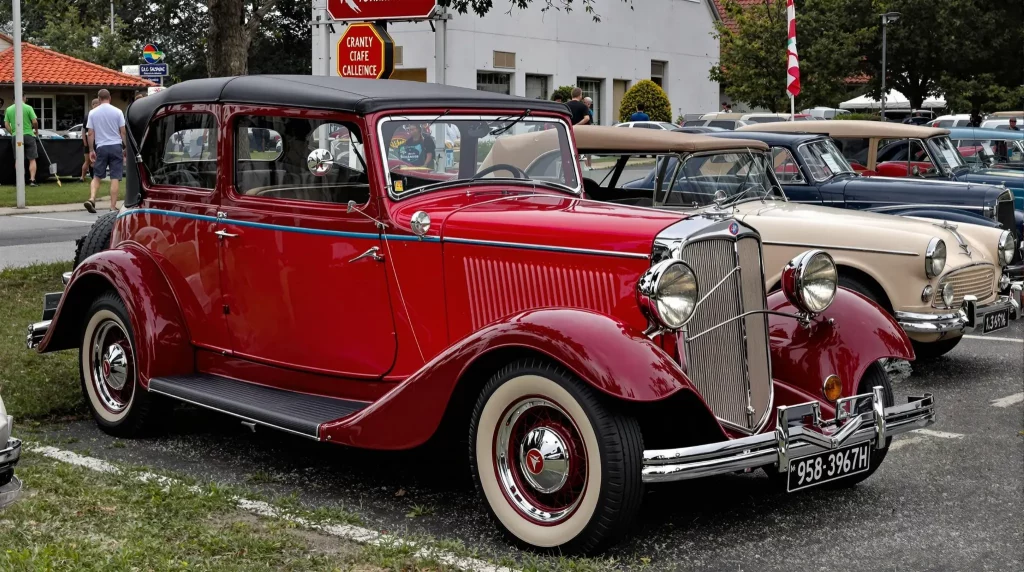
Antique cars, also known as brass era or veteran cars, represent the dawn of the automobile industry. Built before 1919, these machines were handcrafted marvels of engineering. They’re incredibly rare and often require restoration from the ground up.
Examples:
- Ford Model T
- Cadillac Model Thirty
- Benz Patent-Motorwagen
Features:
- Hand-cranked engines, wooden-spoke wheels, and mechanical brakes reflect their pioneering technology.
- Exposed gears, gas lamps, and simplistic frames make them museum-worthy collectibles.
Best For: History buffs, early technology enthusiasts, and seasoned collectors skilled in full restorations.
2. Vintage Cars (1919–1930)
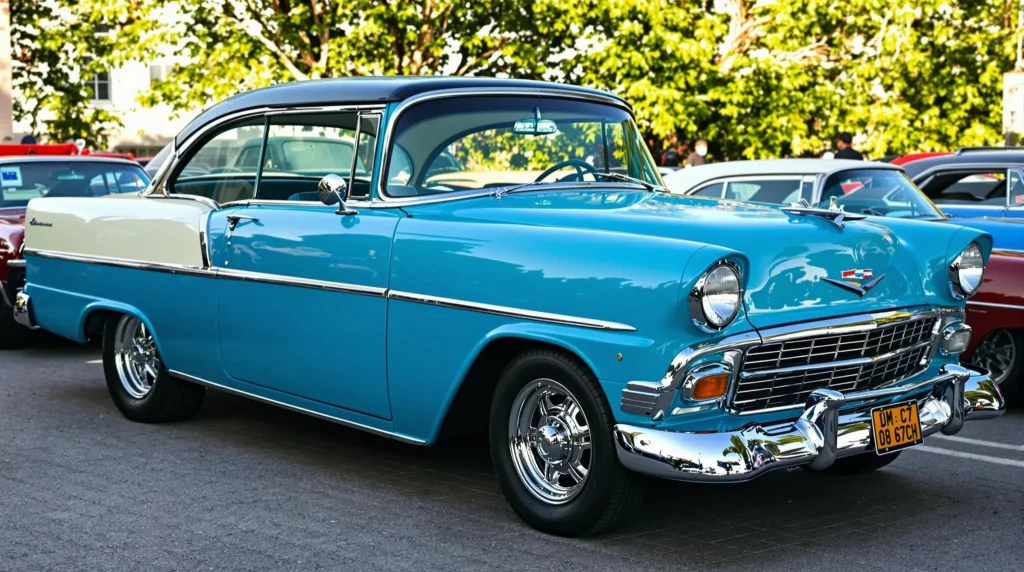
Vintage cars mark a significant evolution in automobile design. This era introduced better safety, closed bodies, and more powerful engines. These cars were considered luxurious and cutting-edge for their time.
Examples:
- Rolls-Royce Silver Ghost
- Duesenberg Model A
- Chrysler B-70
Features:
- Closed steel bodies, electric starters, and improved braking and suspension systems were major leaps forward.
- Introduced longer-distance comfort and mechanical reliability.
Best For: Classic luxury collectors and historic rally drivers who value elegant engineering.
3. Pre-War Classics (1931–1945)
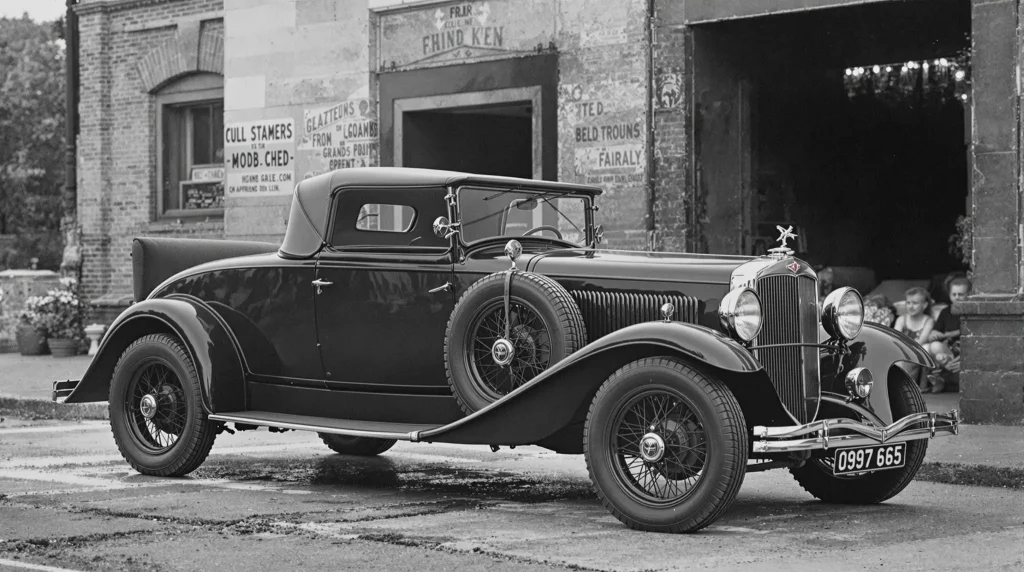
Built before World War II, these classics focused on performance and refinement. It was the golden era of hand-built design and experimentation in bodywork and engine power.
Examples:
- Packard Twelve
- Bugatti Type 57
- Lincoln Zephyr
Features:
- V8 and V12 engines, coach-built exteriors, and Art Deco styling represent the craftsmanship of the era.
- Vehicles often came with opulent interiors and custom finishes.
Best For: Collectors who appreciate rare, handcrafted vehicles and historical automotive innovation.
4. Post-War Classics (1946–1959)
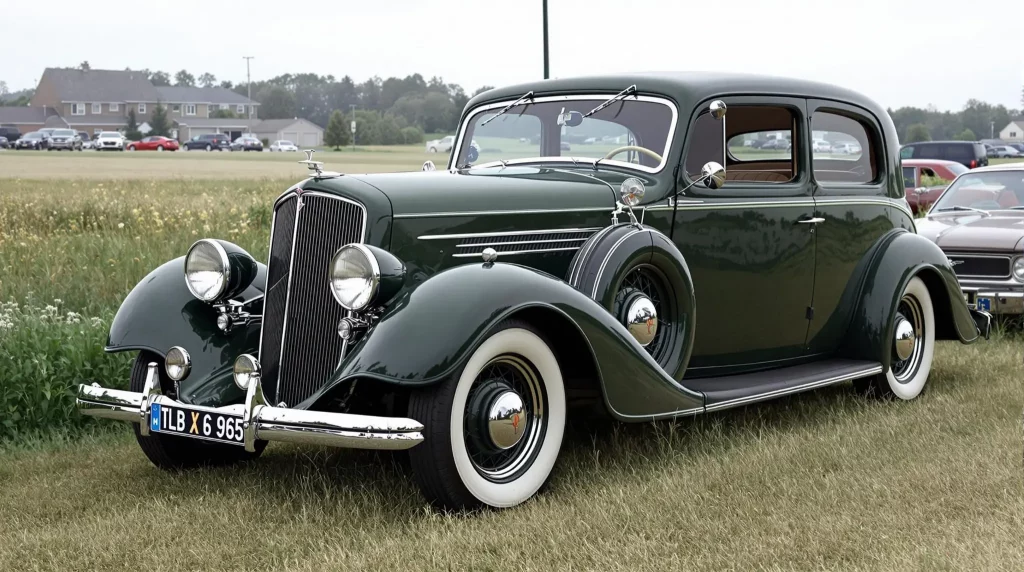
This was the age of booming car culture and chrome-heavy styling. Post-war classics offered comfort and flair, with American cars dominating the market with bold designs.
Examples:
- Chevrolet Bel Air
- Jaguar XK120
- Cadillac Series 62
Features:
- Flashy two-tone paint jobs, wraparound windshields, and improved suspension provided a smoother, more stylish ride.
- Innovations like automatic transmissions and power steering became more common.
Best For: Cruise night enthusiasts, vintage car show participants, and lovers of 1950s nostalgia.
5. Muscle Cars (1960s–1970s)
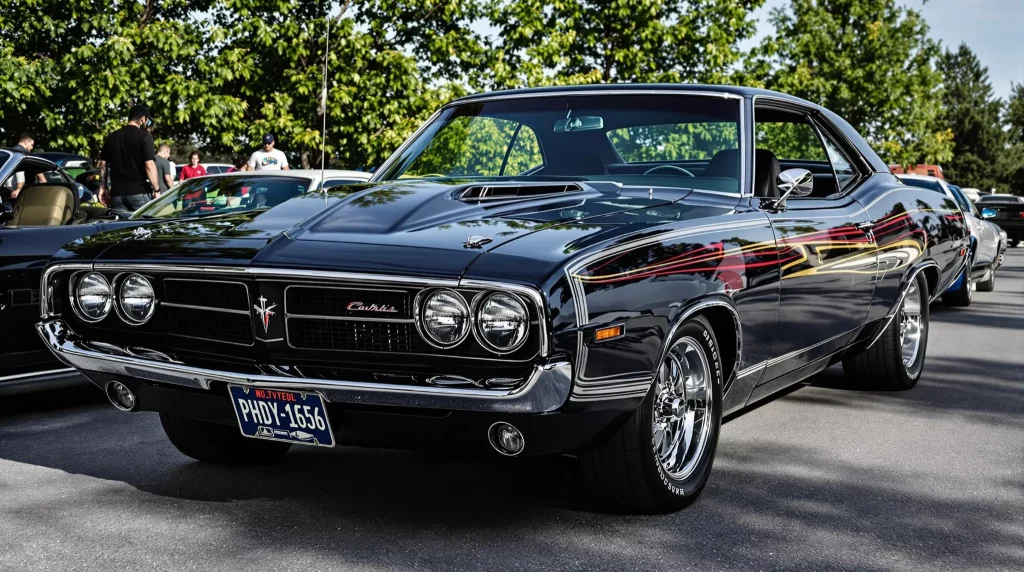
Muscle cars are all about raw horsepower and aggressive styling. Built for performance and straight-line speed, these American legends have become icons of automotive culture.
Examples:
- Ford Mustang
- Dodge Charger
- Pontiac GTO
Features:
- Massive V8 engines, rear-wheel drive, and lightweight frames made them ideal for drag racing and thrill-seeking.
- Known for their throaty exhausts, bold designs, and affordability at the time of release.
Best For: Speed lovers, weekend racers, and collectors who crave rumbling performance.
6. European Sports Cars (1950s–1970s)
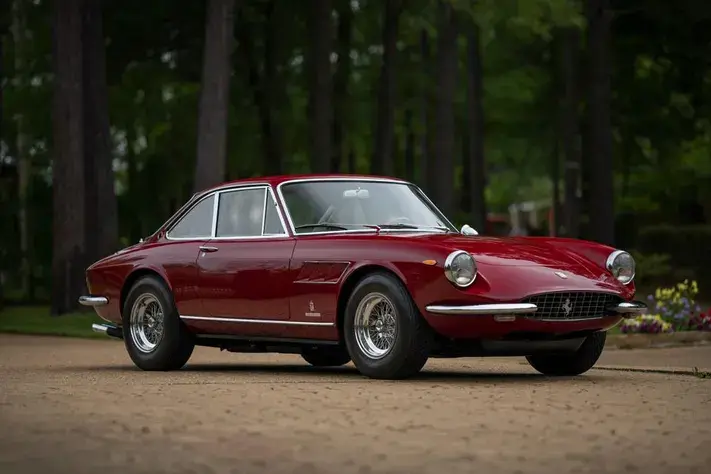
Renowned for agility, refined design, and motorsport heritage, European sports cars prioritized precision over brute force. They’re admired for their timeless aesthetics and driving feel.
Examples:
- Porsche 356
- Alfa Romeo Spider
- Aston Martin DB5
Features:
- Rear- or mid-engine layouts, manual transmissions, and balanced weight distribution allowed for responsive handling and track capability.
- Many models carry racing pedigrees and bespoke engineering.
Best For: Driving purists, classic rally fans, and collectors of iconic European brands.
7. Luxury Classics (1950s–1980s)
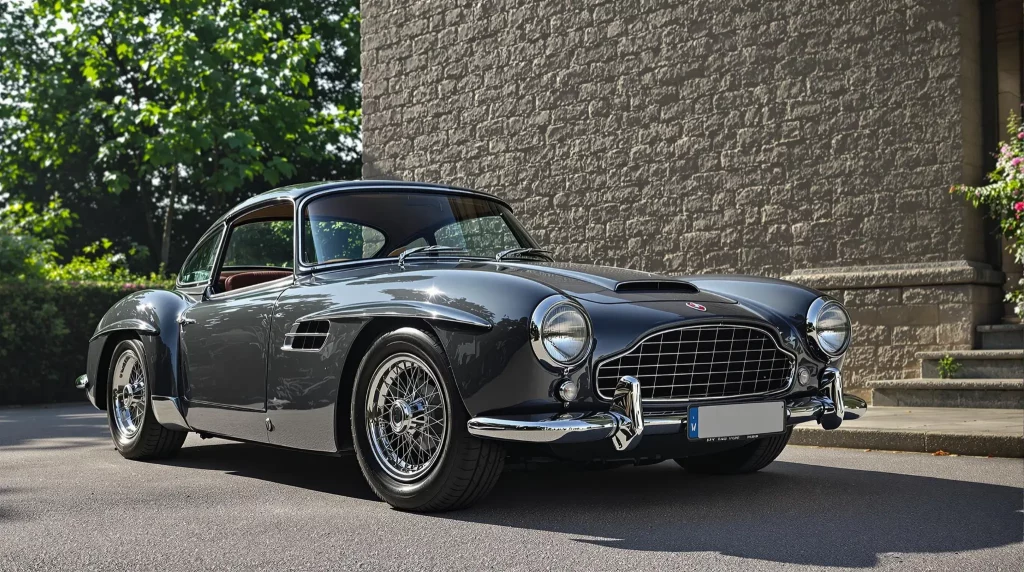
These cars defined sophistication and comfort. Built with high-end materials and advanced tech for their time, luxury classics were tailored to the elite.
Examples:
- Mercedes-Benz 300SL
- Rolls-Royce Silver Cloud
- Lincoln Continental
Features:
- Lavish interiors with wood trim, leather seating, and advanced features like air suspension and power accessories.
- Custom options and handcrafted elements made each model feel exclusive.
Best For: Collectors seeking timeless elegance and smooth, luxurious rides.
8. Japanese Classics (1970s–1990s)

Once considered budget-friendly alternatives, Japanese classics have gained serious collector interest. Known for innovation, reliability, and tuner potential, they’re now highly prized.
Examples:
- Datsun 240Z
- Toyota Supra MK4
- Mazda RX-7
Features:
- High-revving engines, balanced chassis, and affordability made them popular with young drivers.
- Strong aftermarket support and rising values make them solid investments.
Best For: JDM fans, tuners, and collectors looking for modern-classic appreciation potential.
Key Differences Between Classic Car Types
| Type | Age Range | Typical Price Range | Historic Status |
|---|---|---|---|
| Antique Cars | Pre-1919 | $30,000 – $500,000+ | Museum pieces, often national treasures |
| Vintage Cars | 1919–1930 | $25,000 – $350,000+ | Highly collectible, early design evolution |
| Pre-War Classics | 1931–1945 | $40,000 – $1 million+ | Rare, handcrafted and historically rich |
| Post-War Classics | 1946–1959 | $20,000 – $150,000 | Symbols of American boom-era culture |
| Muscle Cars | 1960s–1970s | $25,000 – $300,000+ | Icons of American performance and power |
| European Sports Cars | 1950s–1970s | $50,000 – $1 million+ | Racing heritage, design icons |
| Luxury Classics | 1950s–1980s | $35,000 – $500,000+ | Prestige symbols with timeless appeal |
| Japanese Classics | 1970s–1990s | $15,000 – $150,000+ | Rapidly rising in value and collector demand |
Which Types of Classic Cars Are Best for Beginners?
For those new to classic car collecting, Japanese Classics and Post-War Classics often provide a good balance of affordability, reliability, and easier maintenance. These cars tend to have better parts availability and modern engineering compared to earlier eras, making them ideal for first-time collectors.
If you’re new to collecting, exploring the best sites to buy classic cars can help you find reliable options and trusted sellers.
Which Classic Car Types Are Most Practical for Daily Driving?
Japanese Classics and some Post-War Classics are generally more reliable and easier to drive daily, thanks to improvements in engine technology and comfort features. However, most classic cars are best reserved for occasional use to preserve their condition.
Which Classic Car Types Are Ideal for Car Shows and Exhibitions?
Antique Cars, Pre-War Classics, and Luxury Classics tend to steal the spotlight at car shows. Their unique craftsmanship, opulent design, and historical value make them favorites among judges and enthusiasts alike.
Conclusion
Classic cars come in a variety of types, each with its own unique history, style, and value. Whether you’re drawn to the elegance of vintage models or the raw power of muscle cars, understanding the different types of classic cars helps deepen your appreciation and guides smarter collecting. Explore these timeless vehicles to find the perfect piece of automotive heritage that speaks to your passion.
Frequently Asked Questions (FAQs)
What defines a car as a classic?
How do antique cars differ from vintage cars?
Why are muscle cars so popular among collectors?
Are Japanese classic cars good investments?
What should I consider when buying a pre-war classic car?
How does the historic status of a classic car affect its value?
Can I drive a classic car daily?

Last reviewed April 2026 by our editorial team.
Bilal is the founder of A4 Auto Transport and leads the site’s independent research into US car shipping companies, real-world shipping costs, and route-level logistics. He started A4 in 2021 after years of watching friends and family get burned by lowball quotes and opaque carrier pricing — and he built the site to be the resource he wished he’d had.
Background
Bilal’s work on A4 Auto Transport focuses on three things: (1) tracking actual shipper outcomes across the US carrier network — quote accuracy, on-time delivery, and damage rates — so readers see how carriers actually perform, not just how they market themselves; (2) publishing route-level cost guides that reflect current load-board data, not recycled 2019 numbers; and (3) keeping A4 independent — no carrier pays for placement in A4’s rankings or reviews, and the site’s revenue comes from quote-form leads sent to its vetted carrier network.
Before A4, Bilal worked on small-business operations and digital consumer products. That combination — operations discipline plus a consumer-facing product sense — shapes how A4 evaluates carriers today: the scorecards are built around what actually matters to a shipper making a four-figure decision, not what’s easy to measure.
What Bilal writes about
Bilal personally edits A4’s commercial-intent content: the cost guides, carrier reviews, and state-level shipping pages. He reviews every cost number published on the site against our current billing data before it goes live, and signs off on every carrier scorecard. His work also covers the site’s methodology for ranking US auto transport companies, which you can read in full on our methodology page.
Selected work
How Much Does It Cost to Ship a Car? Real 2026 Prices
How A4 Ranks US Auto Transport Companies
California Car Shipping: Cost, Transit Times & Best Auto Transport Companies (2026)
Shipping a Car to Alaska: 2026 Guide to Ocean Transport
Contact
Questions about a specific route, carrier, or cost estimate? Email [email protected]. Corrections to any published figure are welcomed and applied within 48 hours — see our corrections policy.