
Sedan vs SUV: Which is Cheaper, Safer & Better Option For You in 2026?
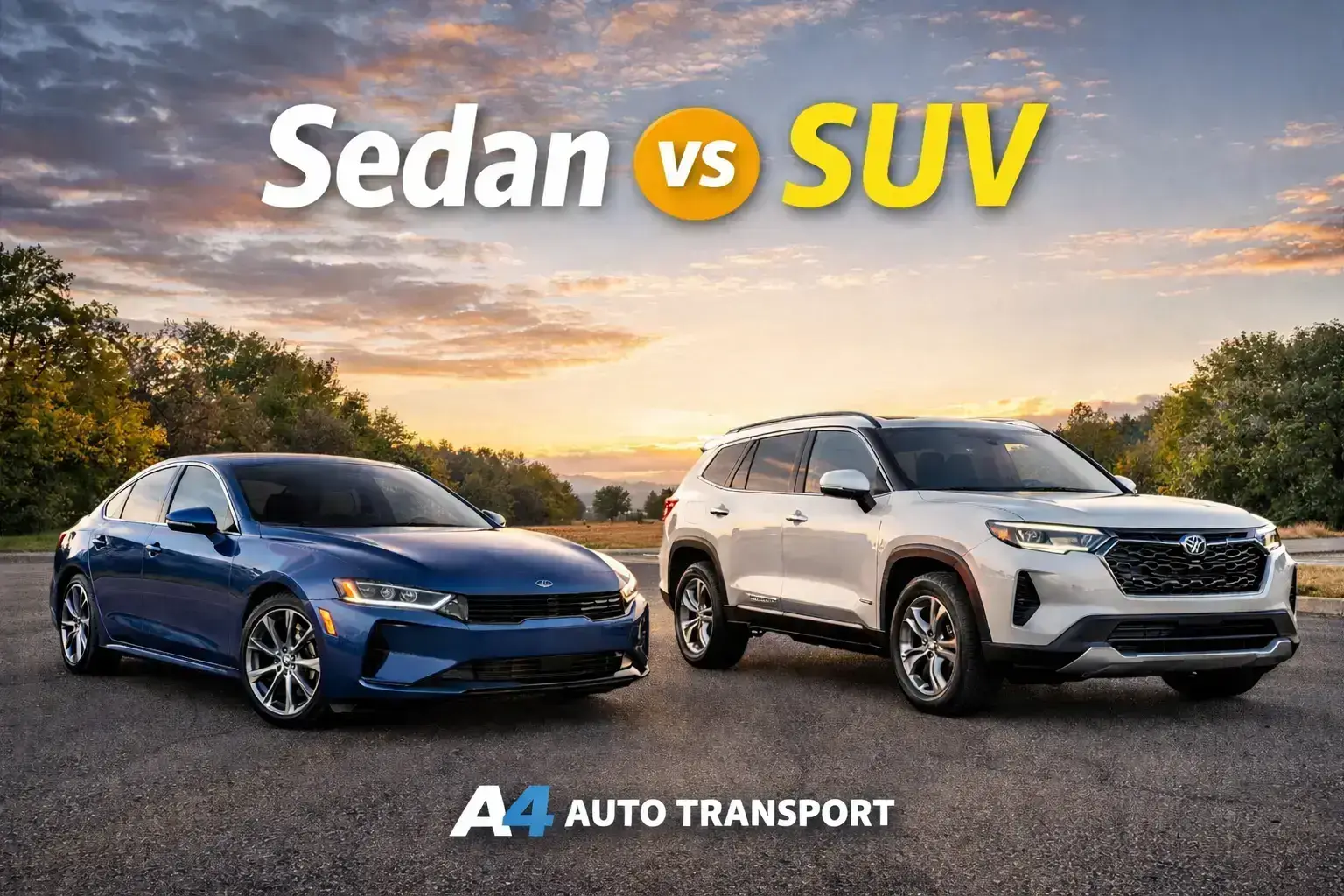
The difference between a sedan and an SUV goes beyond size; it reflects two distinct choices in cost, design, and practicality in 2026. Sedans are generally more affordable to buy and maintain because of their lighter structure, smaller engines, and fuel-efficient design. SUVs, in contrast, typically cost more due to their larger build, higher ground clearance, advanced suspension, and greater interior and cargo space.
A sedan is a low-height passenger car with a separate trunk, designed for smooth handling and everyday city driving, while an SUV offers a taller body, more space, and better capability on uneven roads. To understand which option suits different needs and budgets, let’s uncover the key differences between them.
Is a SUV Bigger Than a Sedan?
Yes, SUVs are bigger in nearly every dimension. The average midsize SUV measures 185-195 inches long, 73-78 inches wide, and 67-70 inches tall. A comparable midsize sedan runs 190-195 inches long, 72-73 inches wide, but only 57-59 inches tall. That 10-inch height difference is where SUVs gain their cargo advantage.
Cargo space tells the real story. A Honda CR-V compact SUV offers 76.5 cubic feet of total cargo space with seats folded, while the Honda Accord sedan provides just 16.7 cubic feet in the trunk. That’s more than 4 times the capacity.
What Is the Major Difference Between Sedan and SUV?
The major difference is body style and intended use. Sedans use a three-box design with a separate trunk compartment, prioritizing fuel efficiency and on-road handling. SUVs use a two-box design with a unified cargo area accessible through a rear hatch, prioritizing versatility and capability.
This fundamental design difference creates cascading effects across everything else. A sedan excels at efficient transportation on paved roads, while an SUV trades some efficiency for flexibility in cargo hauling, passenger capacity, and rough-condition capability.
What Is an SUV?
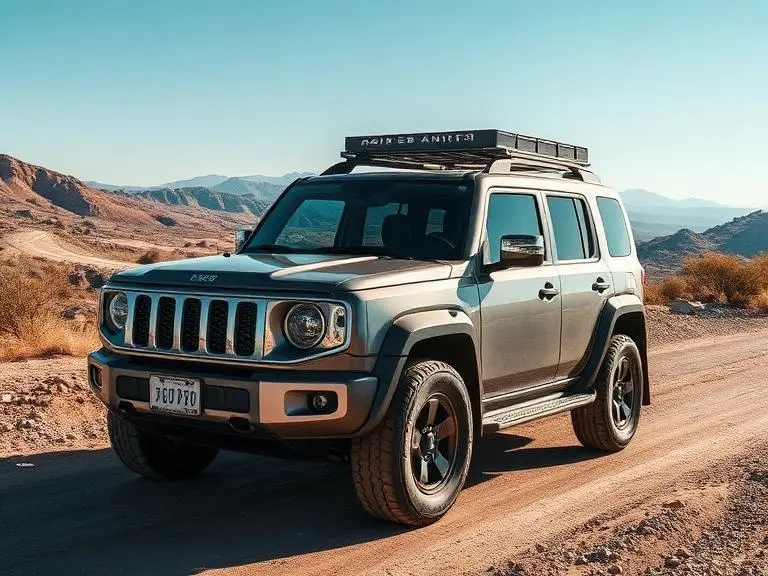
An SUV (Sport Utility Vehicle) combines passenger car comfort with truck-inspired capability. Built on a raised platform with 7-9 inches of ground clearance, SUVs feature a rear hatch for cargo access, higher seating positions, and often include AWD or 4WD systems. The category ranges from compact crossovers like the Mazda CX-5 (built on car platforms) to traditional truck-based SUVs like the Chevrolet Tahoe.
Modern SUVs in 2026 come in three main sizes:
- Compact SUVs: 175-185 inches long, 5-passenger capacity, 30-40 cubic feet cargo space (RAV4, CR-V, CX-5)
- Midsize SUVs: 190-200 inches long, 7-8 passenger capacity with third row, 45-85 cubic feet cargo space (Highlander, Pilot, Explorer)
- Full-Size SUVs: 200-225 inches long, 7-9 passenger capacity, 80-140 cubic feet cargo space (Tahoe, Expedition, Suburban)
Most SUVs can tow 3,500-8,500 pounds depending on size and engine, making them suitable for boats, trailers, and campers. The elevated seating position appeals to drivers who want better visibility and a commanding view of traffic. Many 2026 models offer hybrid powertrains that improve fuel economy to 28-32 mpg.
What Is a Sedan?
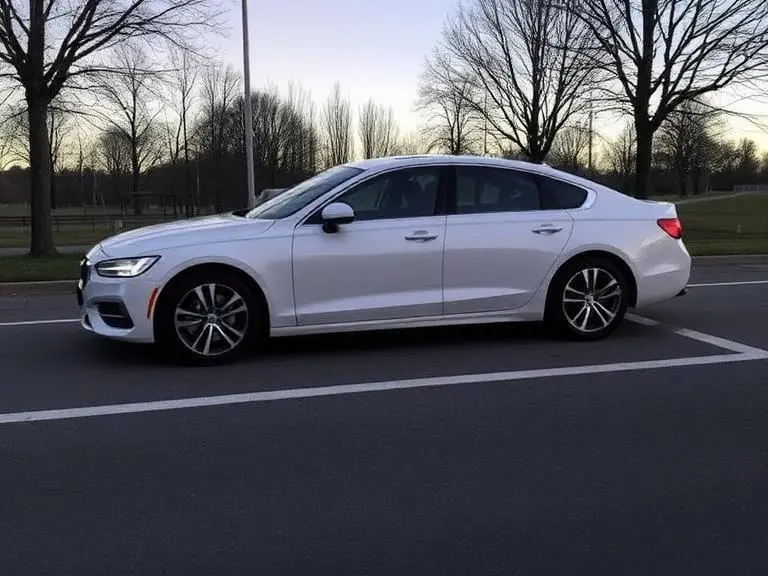
A sedan is a passenger car with a three-box design: separate compartments for the engine, passengers, and trunk. This traditional configuration prioritizes aerodynamics, fuel efficiency, and responsive handling. Sedans feature four doors, a fixed roof, and seating for five passengers in two rows.
Sedans come in three size categories:
- Compact Sedans: 180-185 inches long, 13-14 cubic feet trunk space (Civic, Corolla, Mazda3)
- Midsize Sedans: 190-195 inches long, 15-16 cubic feet trunk space (Accord, Camry, Altima)
- Full-Size Sedans: 200-210 inches long, 16-18 cubic feet trunk space (Charger, Avalon, Cadillac CT5)
The lower profile (57-60 inches tall) and lighter weight (3,200-3,800 pounds) create better fuel economy, typically 28-35 mpg combined in 2026. Sedans excel on paved roads with sharp handling, shorter braking distances, and more.
What Are the Differences Between Sedan And SUV?
| Feature | Sedan | SUV |
|---|---|---|
| Starting Price | $24,000–$28,000 | $28,000–$35,000 |
| Fuel Economy | 28–35 mpg combined | 22–28 mpg combined |
| Cargo Space | 13–16 cu ft (trunk only) | 30–80 cu ft (behind rear seats) |
| Seating Capacity | 5 passengers (2 rows) | 5–8 passengers (2–3 rows) |
| Ground Clearance | 5–6 inches | 7–9 inches |
| Towing Capacity | 0–1,000 lbs (most can’t tow) | 3,500–8,500 lbs |
| Insurance Cost | $1,500–$1,800/year | $1,700–$2,100/year |
| Maintenance Cost | $900–$1,000/year | $1,100–$1,300/year |
| Height | 57–60 inches | 66–72 inches |
| Rollover Risk | Low (stable, low center of gravity) | Moderate (2–3x higher than sedans) |
| Stopping Distance (60 mph) | 120–130 feet | 130–145 feet |
| Typical Weight | 3,200–3,800 lbs | 3,800–5,500 lbs |
| Annual Fuel Cost (15,000 miles) | $1,400–$1,600 | $1,800–$2,100 |
| AWD Availability | Limited (select models only) | Standard or widely available |
How Much Does a Sedan Cost Compared to an SUV?
Sedans cost $4,000-$10,000 less than comparable SUVs at purchase, and the savings continue throughout ownership.
Purchase Price Comparison (2026 Models):
- Compact sedan (Honda Civic): $25,000-$32,000
- Compact SUV (Honda CR-V): $30,000-$38,000
- Midsize sedan (Toyota Camry): $28,500-$36,000
- Midsize SUV (Toyota Highlander): $38,000-$48,000
- Full-size sedan (Dodge Charger): $35,000-$52,000
- Full-size SUV (Chevrolet Tahoe): $56,000-$75,000
The price gap narrows in luxury segments but sedans remain cheaper:
- Luxury sedan (BMW 5 Series): $57,000-$75,000
- Luxury SUV (BMW X5): $65,000-$95,000
Five-Year Ownership Cost Breakdown:
Midsize Sedan Example (Toyota Camry):
- Purchase: $30,000
- Fuel (15,000 miles/year @ 32 mpg): $7,735
- Insurance: $8,000
- Maintenance: $4,500
- Total: $50,235
Midsize SUV Example (Toyota Highlander):
- Purchase: $40,000
- Fuel (15,000 miles/year @ 24 mpg): $10,315
- Insurance: $9,500
- Maintenance: $6,000
- Total: $65,815
Difference: $15,580 saved with the sedan over five years.
Are Sedans More Fuel Efficient Than SUVs?
Yes, sedans deliver 20-30% better fuel economy due to lighter weight and better aerodynamics. The average 2026 midsize sedan achieves 30-35 mpg combined, while midsize SUVs get 23-27 mpg combined.
Real-World Examples:
- Honda Accord: 32 mpg combined vs Honda Passport SUV: 22 mpg
- Toyota Camry: 32 mpg combined vs Toyota Highlander: 24 mpg
- Mazda6: 29 mpg combined vs Mazda CX-9: 23 mpg
Annual Fuel Cost Calculation (15,000 miles at $3.30/gallon):
- Sedan at 32 mpg: $1,547 per year
- SUV at 24 mpg: $2,063 per year
- Annual savings: $516 with sedan
Which Is Safer: Sedan or SUV?
Safety depends on the type of accident. SUVs perform better in multi-vehicle collisions due to size and weight, while sedans have lower rollover risk and better emergency handling.
SUV Safety Advantages:
- Better protection in two-vehicle crashes (7-10% lower fatality rate)
- Higher seating position improves visibility and hazard detection
- More protective in crashes with smaller vehicles
- Better handling of road obstacles (debris, potholes)
Sedan Safety Advantages:
- 2-3 times lower rollover risk in single-vehicle accidents
- Shorter stopping distances (10-15 feet less from 60 mph)
- More stable and predictable in emergency maneuvers
- Lower center of gravity prevents tipping in sharp turns
2026 Safety Technology (Available on Both): Both vehicle types now come standard with:
- Automatic emergency braking
- Lane departure warning and lane keeping assist
- Blind spot monitoring
- Rear cross-traffic alert
- Adaptive cruise control
Advantages of Sedans vs SUVs
| Sedan Advantages | SUV Advantages |
|---|---|
| Lower purchase price ($4,000–$10,000 less) | Maximum cargo space (30–80 cu ft vs 13–16 cu ft) |
| Better fuel economy (28–35 mpg vs 22–28 mpg) | Higher seating position (better visibility) |
| Cheaper insurance ($200–$400/year savings) | Towing capability (3,500–8,500 lbs capacity) |
| Lower maintenance costs ($200–$300/year savings) | Third-row seating options (7–8 passenger capacity) |
| Easier parking (shorter length, lower height) | AWD/4WD availability (better for snow/ice) |
| Better handling (sharper cornering, more responsive) | Higher ground clearance (7–9 inches for rough roads) |
| Shorter stopping distance (10–15 feet advantage) | Easier entry/exit (higher seat height) |
| Lower rollover risk (2–3x safer than SUVs) | Versatile cargo area (flat load floor when seats fold) |
| Quieter highway ride (better aerodynamics) | Better winter capability (weight + AWD + clearance) |
| Lower depreciation (retains value better in sedan segment) | Stronger road presence (more visible to other drivers) |
Disadvantages of Sedans vs SUVs
| Sedan Disadvantages | SUV Disadvantages |
|---|---|
| Limited cargo space (13–16 cu ft trunk only) | Higher purchase price ($4,000–$10,000 more) |
| Low ground clearance (5–6 inches, scrapes easily) | Worse fuel economy (22–28 mpg, costs $400–$700/year more) |
| Reduced visibility (lower seating position) | More expensive insurance ($200–$400/year more) |
| No towing capacity (0–1,000 lbs maximum) | Higher maintenance costs (larger tires, more expensive parts) |
| Limited AWD options (fewer models offer it) | Higher rollover risk (2–3x more likely than sedans) |
| Difficult child seat access (must bend more) | Harder to park (larger dimensions) |
| Less versatile cargo (fixed trunk design) | Less agile handling (more body roll in corners) |
| Weather limitations (struggles in deep snow) | Longer stopping distances (10–15 feet more needed) |
| Only 5-passenger capacity (no third row available) | Higher depreciation (loses value faster, especially luxury models) |
| Lower crash mass (less protection in multi-vehicle crashes) | More expensive tires ($600–$1,000 per set vs $400–$600) |
Is a Sedan or SUV Better for Families?
A sedan works well for families of 3-4 people with typical needs, while SUVs become necessary for larger families or those with substantial cargo requirements.
Sedans Work for Families Who:
- Have 1-2 children comfortably fitting in the back seat
- Don’t regularly haul bulky sports equipment or camping gear
- Take mostly local trips with occasional longer drives
- Want to save $8,000-$12,000 over five years of ownership
- Drive primarily on paved roads in moderate climates
Do Sedans Last Longer Than SUVs?
Sedans and SUVs can both last 200,000+ miles with proper maintenance, but sedans often reach higher mileages with fewer major repairs due to simpler mechanical systems and less stress on components.
Factors Favoring Sedan Longevity:
- Lighter weight reduces stress on suspension, brakes, and drivetrain
- Simpler mechanical systems (fewer moving parts in 2WD vs AWD)
- Less expensive repairs when components do fail
- Engines work less hard (better power-to-weight ratio)
Reliability Leaders (2024 J.D. Power Data):
- Sedans: Lexus ES (87/100), Toyota Camry (85/100), Honda Accord (83/100)
- SUVs: Lexus GX (86/100), Toyota 4Runner (84/100), Honda CR-V (81/100)
Which Has Better Resale Value: Sedan or SUV?
SUVs currently hold resale value slightly better than sedans in percentage terms, but sedans depreciate less in absolute dollars due to lower initial cost.
5-Year Depreciation Examples (2021 Models):
- 2021 Honda Accord (original $28,000): retains 52% = $14,560 value in 2026
- 2021 Honda CR-V (original $33,000): retains 54% = $17,820 value in 2026
The CR-V retains 2% more of its value, but both owners lost about $13,000-$15,000 to depreciation. The Accord owner invested less initially and lost slightly less in total dollars.
Which Vehicle Type Has Lower Insurance Costs?
Sedans cost $200-$400 less per year to insure than comparable SUVs due to lower replacement values, cheaper repairs, and reduced risk of causing expensive damage to other vehicles.
Average Annual Insurance Costs (2026):
- Compact sedan: $1,400-$1,650
- Compact SUV: $1,600-$1,900
- Midsize sedan: $1,550-$1,850
- Midsize SUV: $1,800-$2,200
- Full-size sedan: $1,700-$2,100
- Full-size SUV: $2,100-$2,600
Why SUVs Cost More to Insure:
- Higher purchase price means higher replacement cost
- More expensive to repair (larger parts, more complex systems)
- Cause more damage to other vehicles in accidents (greater mass)
- Higher rollover risk increases comprehensive claims
Which Should You Choose: Sedan or SUV?
Choose based on your actual daily needs, not theoretical scenarios that rarely occur.
Choose a Sedan If You:
- Want to save $8,000-$12,000 over five years of ownership
- Drive primarily on paved roads in moderate climates
- Have a family of 4 or fewer with normal cargo needs
- Commute regularly and value fuel efficiency
- Prefer better handling and driving dynamics
- Don’t need to tow anything regularly
- Want lower insurance and maintenance costs
- Rarely transport bulky items beyond groceries and luggage
Choose an SUV If You:
- Have 3+ children requiring third-row seating
- Regularly haul sports equipment, camping gear, or large purchases
- Live in areas with harsh winters requiring AWD and ground clearance
- Need towing capability for boats, trailers, or campers
- Frequently drive on unpaved or rough roads
- Have mobility concerns making higher seats easier
- Value cargo versatility over fuel economy
- Can afford $400-$700/year more in fuel and insurance
Conclusion
The sedan vs SUV decision ultimately depends on matching the vehicle to your real-world needs rather than aspirational scenarios. Sedans offer compelling financial advantages with $8,000-$12,000 lower total cost over five years, better fuel economy saving $400-$600 annually, and lower insurance rates. They excel for commuters, small families, and anyone prioritizing efficiency and driving dynamics on paved roads.
FAQs
Which is more expensive to maintain, sedan or SUV?
Can sedans drive in snow?
Do SUVs get better gas mileage on the highway?
Are sedans being discontinued?
Which is better for long road trips, sedan or SUV?
Do SUVs last longer than sedans?
Why are SUVs more popular than sedans?
Can I tow with a sedan?

a4AutoTransport is a group of auto transport researchers and experts that comes in handy for anyone who wants to move their car/vehicle without putting extra miles on the odometer. At a4AutoTransport, We researched over a hundred car shipping companies, interviewed real customers and industry leaders, and collected nearly 500 quotes to find the nation’s best auto transport companies. With our combined 5 years of industry experience and research, we’ll help you find the right car shipper for your budget.