
How to Transport a Golf Cart? Steps, Costs & the Best Way
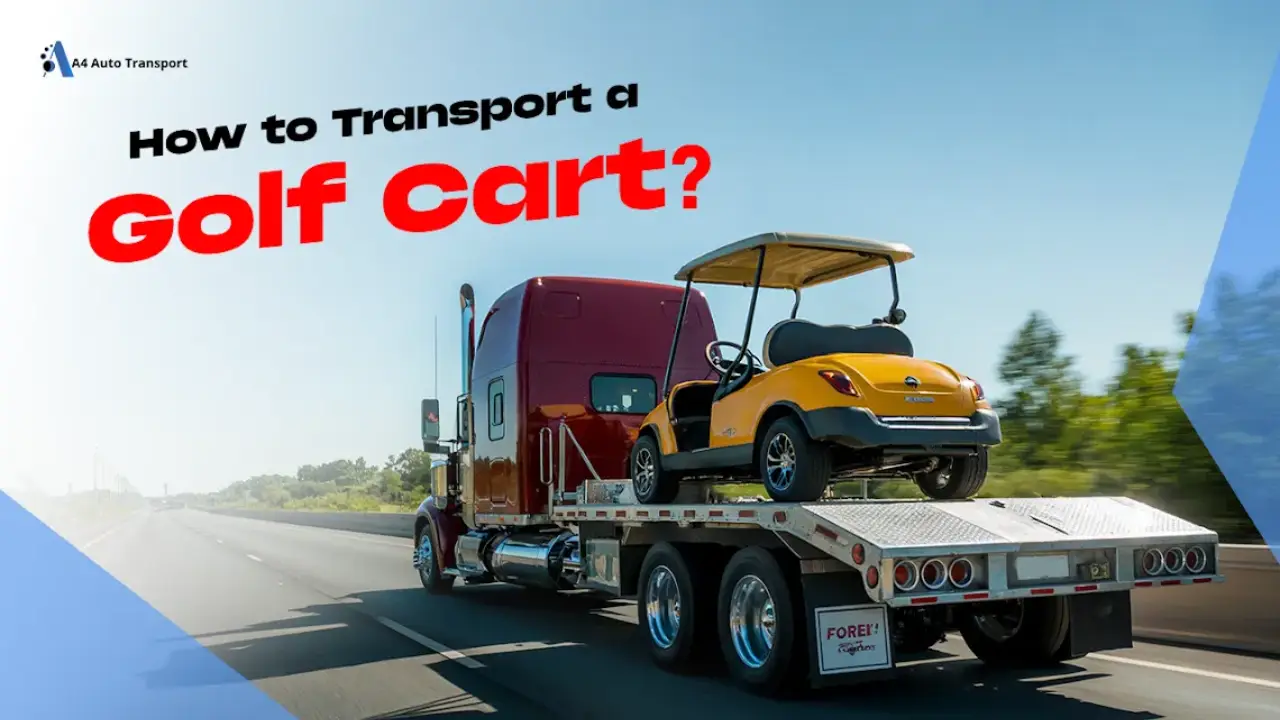
Whether you’re moving, going on vacation, or selling your golf cart, transporting it safely requires the right knowledge and approach. Golf carts present unique transportation challenges due to their size, weight, and inability to be driven on highways.
From choosing between trailer transport and professional shipping to understanding costs and preparation steps, there are several key factors to consider. This article covers everything you need to know about how to transport your golf cart safely and cost-effectively to its destination.
Initial Step: What You Need to Know Before Transporting Your Golf Cart
Before selecting a transport method and golf cart transport company, you’ll need to know your golf cart’s exact specifications:
Weight Requirements:
- Standard gas golf carts: 900-1,100 pounds
- Electric golf carts: 1,000-1,200 pounds
- Lifted or modified carts: Up to 1,500+ pounds
Dimensions to Consider:
- Length: 96-120 inches
- Width: 47-48 inches
- Height: 70-75 inches (standard roof)
- Ground clearance: 4-6 inches
Step-by-Step Explained: How to Transport a Golf Cart
Transporting a golf cart requires careful execution to ensure it arrives safely, on time, and without damage. Each step in the process, from choosing the transport method to securing the cart, plays a critical role in a smooth experience.
Step 1: Choose Your Transport Method
The first step in transporting a golf cart is selecting the method that best suits your needs. The choice impacts cost, safety, and convenience.
Flatbed Trailer
Flatbed trailers are the most common and cost-effective solution for golf cart transport. They work well for both short and medium distances. While they are exposed to the elements, proper securing and tie-downs can ensure your cart remains safe.
- Affordable and widely available
- Best for standard carts with minimal customization
- Requires proper tie-downs for safety
Enclosed Trailer
Enclosed trailers provide superior protection against weather, dust, debris, and road hazards. They are highly recommended for high-value, custom, or electric golf carts. This method costs more but minimizes the risk of scratches or damage during transit.
Key points for enclosed trailers:
- Protects your golf cart from weather and debris
- Ideal for expensive or custom carts
- Higher cost than open trailer transport
DIY Trailer Transport
Some owners attempt to transport their golf cart using a personal trailer. While this can save money, it comes with risks. You must have the right equipment, ramps, and knowledge to secure the cart properly, and any mistakes could lead to damage or accidents.
Key points for DIY transport:
- Lower cost but higher risk
- Requires ramps, tie-downs, and experience
- Liability falls on the owner in case of accidents
Step 2: Choose a Professional Golf Cart Transport Company
If you want peace of mind and a stress-free experience, hiring a professional transport company is usually the best option. Professional carriers have the right equipment, experience, and insurance coverage to safely move your golf cart.
Is choosing a Professional Auto Transport Company better than the DIY method?
While DIY transport may save money for short distances, it carries significant risks such as improper loading, inadequate securing, and a lack of insurance coverage. Professional companies handle all aspects of the transport process, offer door-to-door service, and provide insurance protection, making them a safer choice, especially for long-distance shipments.
Step 3: Get the Golf Cart Loaded Safely
Loading the golf cart is one of the most critical steps in ensuring safe transport. Improper loading can lead to tipping, damage to the cart, or injury. Before loading, inspect your cart thoroughly, remove accessories, and check essential components like brakes and tires.
Steps for safe loading:
- Use a ramp with a gentle incline
- Have two or more people assist with alignment and stability
- Load the cart straight onto the trailer to avoid tipping
Step 4: Secure Your Golf Cart
Securing the cart is essential to prevent movement during transport. Even small shifts can cause scratches, dents, or more severe damage. Properly securing your golf cart also ensures compliance with safety regulations.
Steps for securing the cart:
- Use heavy-duty ratchet straps on all four corners
- Immobilize the wheels with wheel chocks
- Double-check all straps and connections before transport begins
Step 5: Get Transported Safely
After loading and securely fastening your golf cart, the final step is the transport itself. This stage is crucial, as the safety of your golf cart during transit depends on multiple factors.
The way the vehicle is driven, the route selected, and the handling of the trailer all play a significant role in ensuring the cart arrives in perfect condition. Professional transport companies plan routes carefully to avoid rough roads, steep inclines, or heavy traffic that could jostle the cart.
Costs for Transporting a Golf Cart
The cost of transporting a golf cart varies based on distance, type of transport, and other key factors. On average, most golf cart shipments range from $150 to $1,200, depending on whether it’s a short, medium, or long-distance move.
| Distance | Typical Cost Range |
|---|---|
| Short-distance (under 100 miles) | $150 – $300 |
| Medium-distance (100 – 300 miles) | $300 – $450 |
| Medium-distance (300 – 500 miles) | $450 – $600 |
| Long-distance (500 – 1,000 miles) | $600 – $900 |
| Very Long-distance (1,000+ miles) | $900 – $1,200+ |
Factors Affecting Golf Cart Transport Costs
- Cart Customization & Accessories: High-end modifications, custom seats, or lifts can increase shipping costs.
- Terrain at Pickup & Delivery: Difficult access, steep driveways, or off-road locations may require specialized equipment, increasing cost.
- Weight Distribution & Size: Carts with added batteries, storage boxes, or extended frames may require extra space or reinforcement on trailers.
- Fuel Type: Gas-powered carts with higher fuel levels may add handling restrictions, whereas electric carts may require battery disconnection.
- Weather Seasonality: Extreme temperatures or rainy seasons can affect the availability of carriers and rates.
Cheapest Ways to Ship a Golf Cart
If cost is a primary concern, there are several ways to reduce expenses:
- Open Trailer Transport: The most affordable method for short to medium distances.
- Terminal-to-Terminal Shipping: Dropping off and picking up at terminals can save money.
- Booking in Advance: Planning ahead allows you to avoid peak season surcharges.
- Consolidated Transport: Shipping with other vehicles may reduce per-cart costs.
How to Choose a Golf Cart Transport Company
Selecting the right transport company is crucial to ensure your golf cart arrives safely and on time. Consider the following factors when making your choice:
- Licensing and Insurance: Always verify that the company is fully licensed and insured. This ensures legal compliance and protects your golf cart in case of accidents or damage during transit.
- Experience: Look for companies that have specific experience in transporting golf carts.
- Customer Reviews: Check testimonials and online ratings to gauge reliability, professionalism, and overall service quality.
- Pricing and Services: While comparing quotes, focus on the overall value rather than just the cheapest option.
Recommended Companies for Golf Cart Transportation
Based on research and user feedback, here are three top-rated companies:
AutoStar Transport Express
AutoStar Transport Express is known for its excellent customer service and timely delivery. They specialize in golf cart transport and offer professional handling for all types of carts.
Montway Auto Transport
Montway Auto Transport provides reliable golf car transport service and has built a strong reputation for safety and efficiency. They also provide good customer support.
Nexus Auto Transport
Nexus Auto Transport provides golf cart transport services and has reliable experience in transporting small vehicles. They prioritize safety for added peace of mind.
Additional Considerations for Golf Cart Transport
- Insurance: Always verify that the transport company provides sufficient coverage.
- Timing: Allow extra time for transport delays, especially during peak seasons.
- Accessibility: Ensure your pickup and delivery locations are accessible for trailers.
Tips to Ensure Smooth and Stress-Free Golf Cart Transport
- Plan ahead and book early.
- Communicate clearly with your transport provider.
- Inspect and document your golf cart before and after transport.
- Use professional carriers for long-distance moves.
- Keep essential contacts and paperwork handy in case of emergencies.
Conclusion
Transporting a golf cart can be safe, cost-effective, and stress-free if done correctly. By understanding the costs, choosing the right transport method, preparing your cart properly, and working with reliable companies can ensure your golf cart arrives in perfect condition. Proper planning and following the steps outlined in this guide will give you peace of mind and a smooth shipping experience.
FAQs About Golf Cart Transport
Can I transport my golf cart myself?
How long does golf cart transport take?
Do I need insurance for my golf cart during transport?
Can I ship an electric golf cart with batteries installed?
What is the cheapest way to ship a golf cart?
Can golf carts be shipped internationally?
How should I prepare my golf cart for transport?

a4AutoTransport is a group of auto transport researchers and experts that comes in handy for anyone who wants to move their car/vehicle without putting extra miles on the odometer. At a4AutoTransport, We researched over a hundred car shipping companies, interviewed real customers and industry leaders, and collected nearly 500 quotes to find the nation’s best auto transport companies. With our combined 5 years of industry experience and research, we’ll help you find the right car shipper for your budget.