
Which Are the Best Beginner Motorcycles in 2026?

Starting your motorcycling journey in 2026 is more exciting than ever. With advanced safety features, beginner-friendly designs, and a wide range of options from lightweight cruisers to agile sportbikes, finding the perfect starter motorcycle has never been easier. This comprehensive guide will help you choose the best beginner motorcycle that matches your skill level, budget, and riding goals.
Types of Beginner Motorcycles
Understanding different motorcycle styles helps narrow your search to bikes that match your intended use and personal preferences.
Standard/Naked Bikes
Standard motorcycles feature upright seating positions, versatile performance, and minimal bodywork. They’re ideal for commuting, learning, and general riding. Popular examples include the Yamaha MT-03 and KTM 390 Duke.
Best for: New riders wanting versatility and comfort for daily riding
Cruisers
Cruisers offer low seat heights, relaxed riding positions, and classic styling. They excel at comfortable, laid-back riding with plenty of torque at low speeds. The Honda Rebel 500 and Harley-Davidson Iron 883 are prime examples.
Best for: Riders prioritizing comfort and classic American styling
Sportbikes
Entry-level sportbikes combine sporty styling with manageable power. They offer sharp handling and exciting performance without overwhelming beginners. The Kawasaki Ninja 400 leads this category.
Best for: Riders seeking agile handling and sportier performance
Adventure Bikes
Small-displacement adventure bikes handle both pavement and light off-road use. They feature comfortable ergonomics and versatility for various riding conditions. The Royal Enfield Himalayan is a standout choice.
Best for: Riders wanting to explore different terrains and longer distances
Dual-Sport
Dual-sport motorcycles are street-legal bikes capable of off-road riding. They’re lightweight, have great visibility, and work well for both commuting and trail exploration.
Best for: Riders interested in both street and off-road adventures
Top 15 Best Beginner Motorcycles for 2026
Based on expert reviews, rider feedback, and hands-on testing, here are the best starter bikes currently available for 2026.
1. Honda Rebel 500
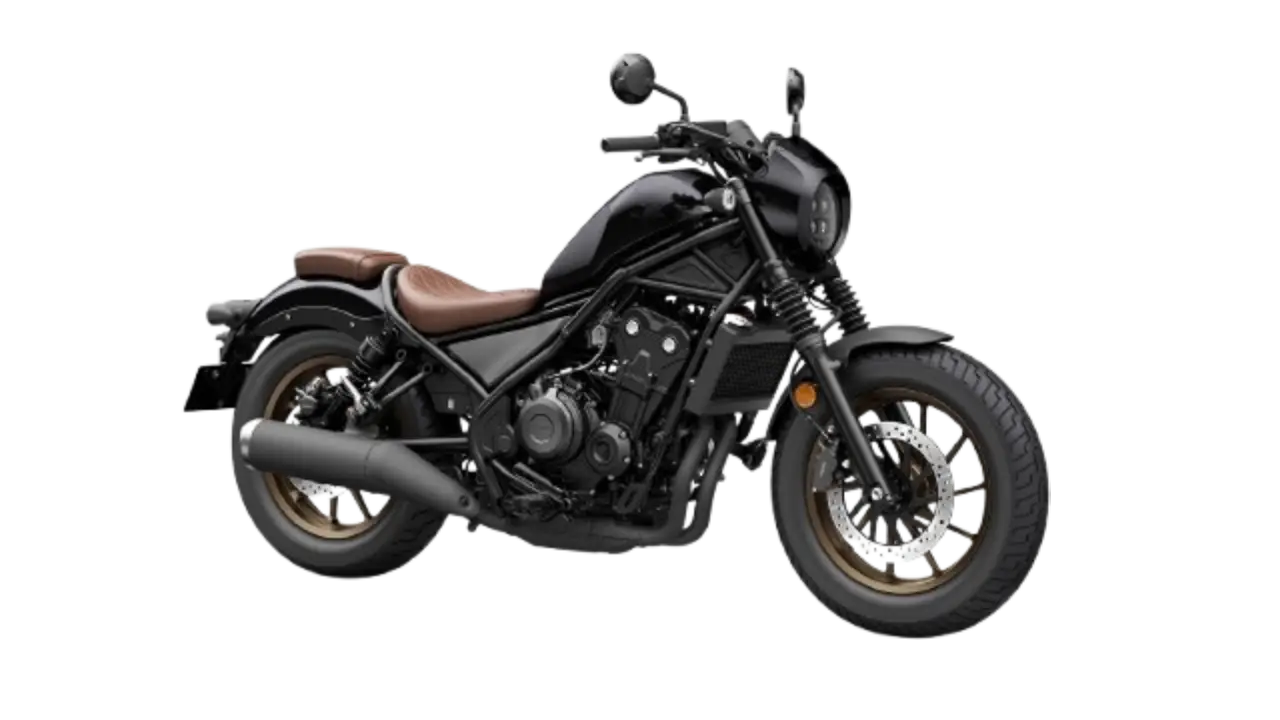
Image Credit: Honda Motorcycles
Price: $6,499 Engine: 471cc parallel-twin Weight: 408 lbs Seat Height: 27.2 inches
The Honda Rebel 500 perfectly blends classic cruiser styling with modern performance. Its lightweight chassis and low seat height make it incredibly approachable for new riders, while the smooth 471cc engine provides ample power for highway cruising without being intimidating.
Pros
- Excellent low-speed handling and balance
- Comfortable for riders of all heights
- Modern LED lighting and instrumentation
- Available ABS for enhanced safety
- Strong resale value
Cons
- Limited wind protection
- Smaller fuel tank (2.9 gallons)
- Basic suspension components
Why It’s Great for Beginners: The Rebel 500 offers confidence-inspiring ergonomics with enough power to grow with your skills. Its forgiving nature and comfortable ride position make it ideal for both short commutes and weekend adventures.
2. Kawasaki Ninja 400
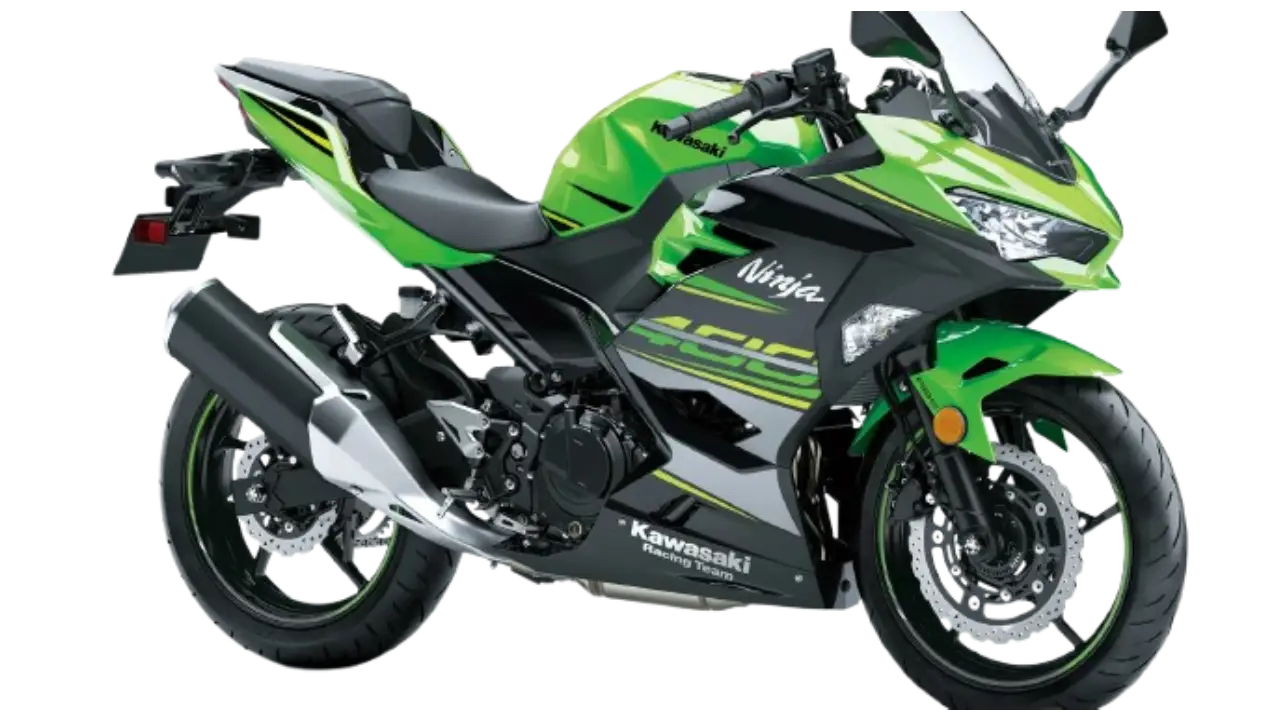
Image Credit: Kawasaki Motorcycles
Price: $5,599 Engine: 399cc parallel-twin Weight: 366 lbs Seat Height: 30.9 inches
The Ninja 400 redefines what entry-level sportbikes can be. With impressive power delivery, lightweight construction, and sharp handling, it provides thrilling performance that’s still completely manageable for beginners.
Pros
- Lightweight and agile handling
- Strong acceleration and highway capability
- Excellent fuel economy (50+ mpg)
- Sporty styling that rivals larger bikes
- Available in ABS and standard versions
Cons
- Forward-leaning riding position may cause fatigue
- Wind noise at highway speeds
- Limited passenger comfort
Why It’s Great for Beginners: The Ninja 400 delivers genuine sportbike excitement without overwhelming power. Its predictable handling and smooth power band help new riders develop skills quickly.
3. Yamaha MT-03
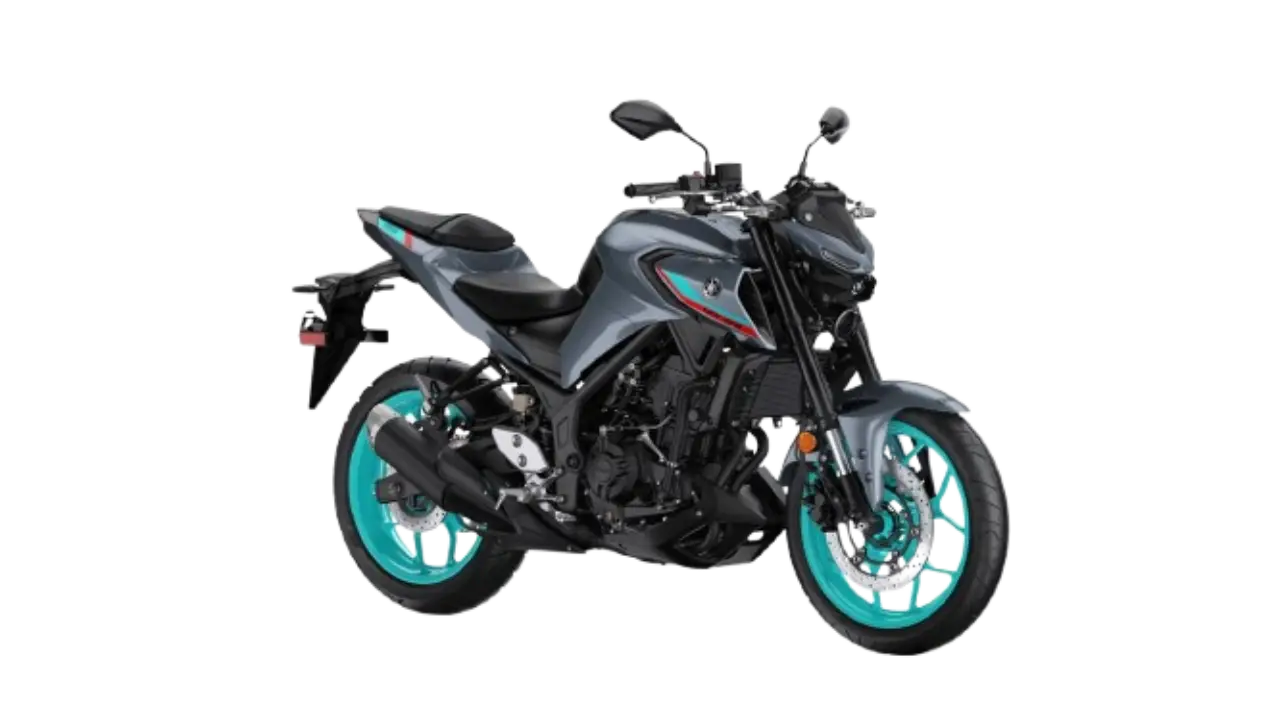
Image Credit: Yamaha Motorcycles
Price: $4,999 Engine: 321cc parallel-twin Weight: 368 lbs Seat Height: 30.7 inches
Yamaha’s naked sportbike combines aggressive styling with a comfortable upright riding position. The MT-03 offers responsive handling and plenty of character, making city riding particularly enjoyable.
Pros
- Upright riding position reduces fatigue
- Responsive and torquey engine
- Modern styling with LED lighting
- Excellent maneuverability in traffic
- Affordable maintenance costs
Cons
- Struggles slightly on steep highway grades
- Minimal wind protection
- Basic instrumentation
Why It’s Great for Beginners: The MT-03 provides sporty performance in a beginner-friendly package. Its comfortable ergonomics and predictable power make it perfect for commuting and weekend rides.
4. Suzuki SV650
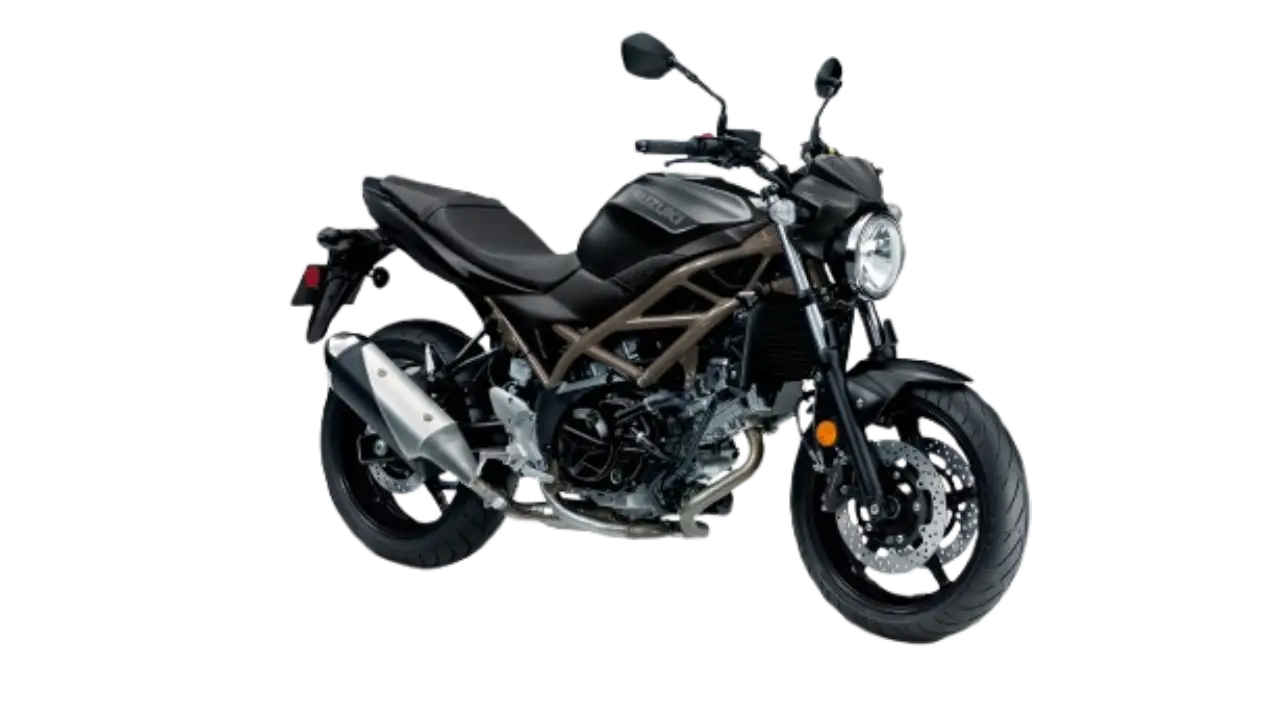
Image Credit: Suzuki Motorcycles
Price: $7,399 Engine: 645cc V-twin Weight: 432 lbs Seat Height: 30.9 inches
The SV650 has earned legendary status as one of the best all-around motorcycles. Its smooth V-twin engine delivers user-friendly power, while the lightweight chassis provides confidence-inspiring handling.
Pros
- Versatile performance for all riding situations
- Reliable and durable
- Smooth, torquey power delivery
- Excellent value for money
- Strong aftermarket support
Cons
- Basic suspension components
- Minimal wind protection
- Dated instrument cluster
Why It’s Great for Beginners: The SV650 offers more power than most beginner bikes while remaining completely manageable. Many riders keep this bike for years as their skills develop.
5. Royal Enfield Himalayan
Image Credit: Royal Enfield Motorcycles
Price: $4,899 Engine: 452cc single-cylinder Weight: 417 lbs Seat Height: 31.5 inches
The Himalayan combines old-school charm with modern adventure bike capability. Its simple design, comfortable ergonomics, and go-anywhere attitude make it perfect for riders seeking versatility.
Pros
- Comfortable for long-distance riding
- Capable on various terrains
- Simple, maintainable design
- Distinctive retro styling
- Excellent value proposition
Cons
- Basic electronic features
- Single-cylinder vibration at highway speeds
- Limited power for two-up riding
Why It’s Great for Beginners: The Himalayan’s forgiving nature and comfortable ride position make it ideal for new riders wanting to explore different types of riding. Its simplicity builds mechanical understanding.
6. KTM 390 Duke
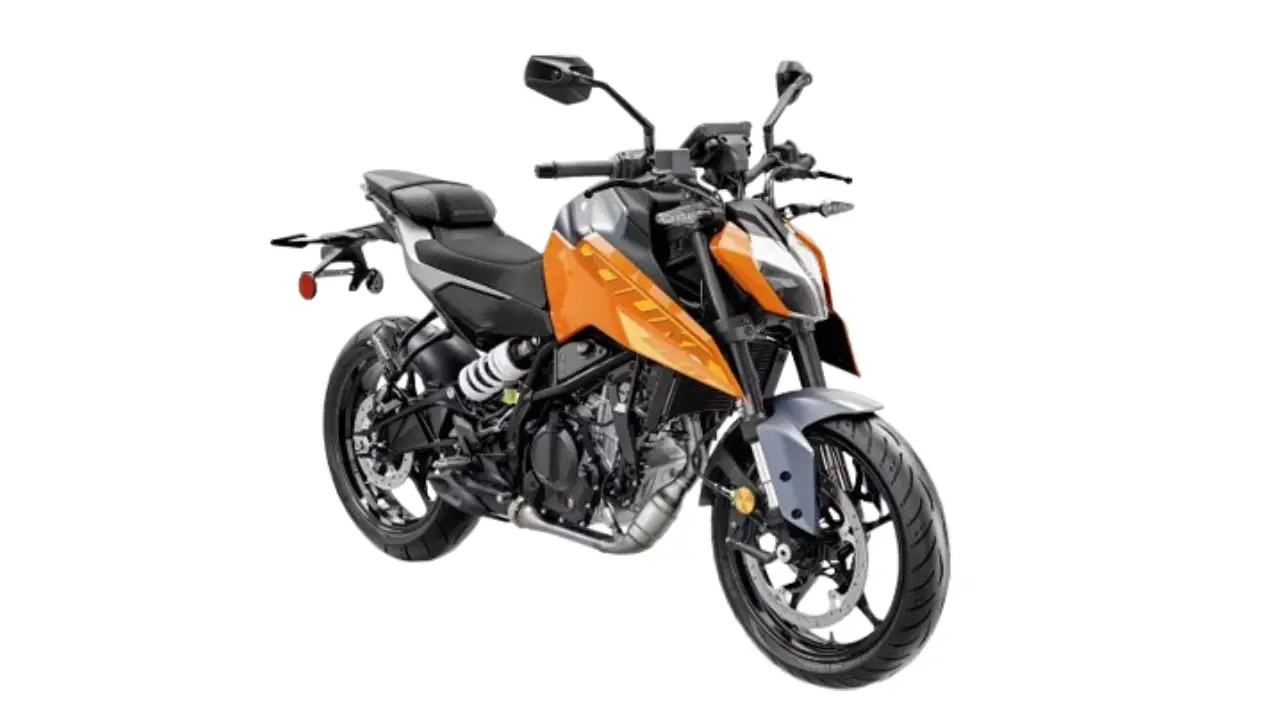
Image Credit: KTM Motorcycles
Price: $6,499 Engine: 373cc single-cylinder Weight: 366 lbs Seat Height: 32.7 inches
KTM’s aggressive streetfighter delivers thrilling performance in a beginner-friendly package. Advanced electronics, sharp handling, and distinctive styling make the 390 Duke stand out.
Pros
- Lightweight and extremely agile
- Modern TFT display with connectivity
- Strong brakes with ABS
- Distinctive styling
- Impressive electronics package
Cons
- Firm suspension for rough roads
- Higher seat height challenges shorter riders
- Single-cylinder vibration
- Premium fuel recommended
Why It’s Great for Beginners: The 390 Duke offers premium features and exciting performance without overwhelming power. Its modern technology helps new riders develop good habits.
7. Honda CB500F
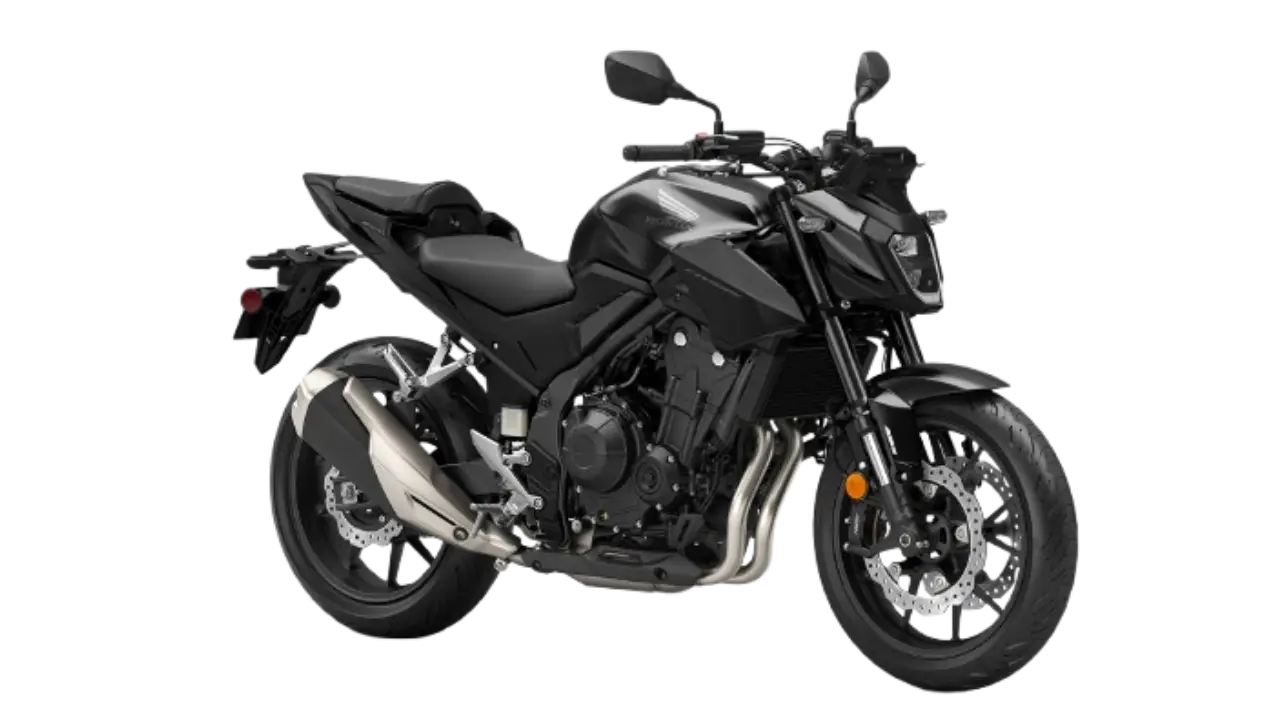
Image Credit: Honda Motorcycles
Price: $6,999 Engine: 471cc parallel-twin Weight: 414 lbs Seat Height: 30.9 inches
Honda’s versatile naked bike combines reliability with user-friendly performance. The CB500F excels as a do-everything motorcycle for new riders.
Pros
- Reliable Honda build quality
- Comfortable for various heights
- Excellent fuel economy
- Smooth, predictable power
- Low maintenance costs
Cons
- Conservative styling
- Basic suspension and brakes
- Limited passenger accommodations
Why It’s Great for Beginners: The CB500F delivers Honda’s legendary reliability in a package perfect for learning. Its neutral handling and comfortable ergonomics suit a wide range of riding situations.
8. Kawasaki Z400
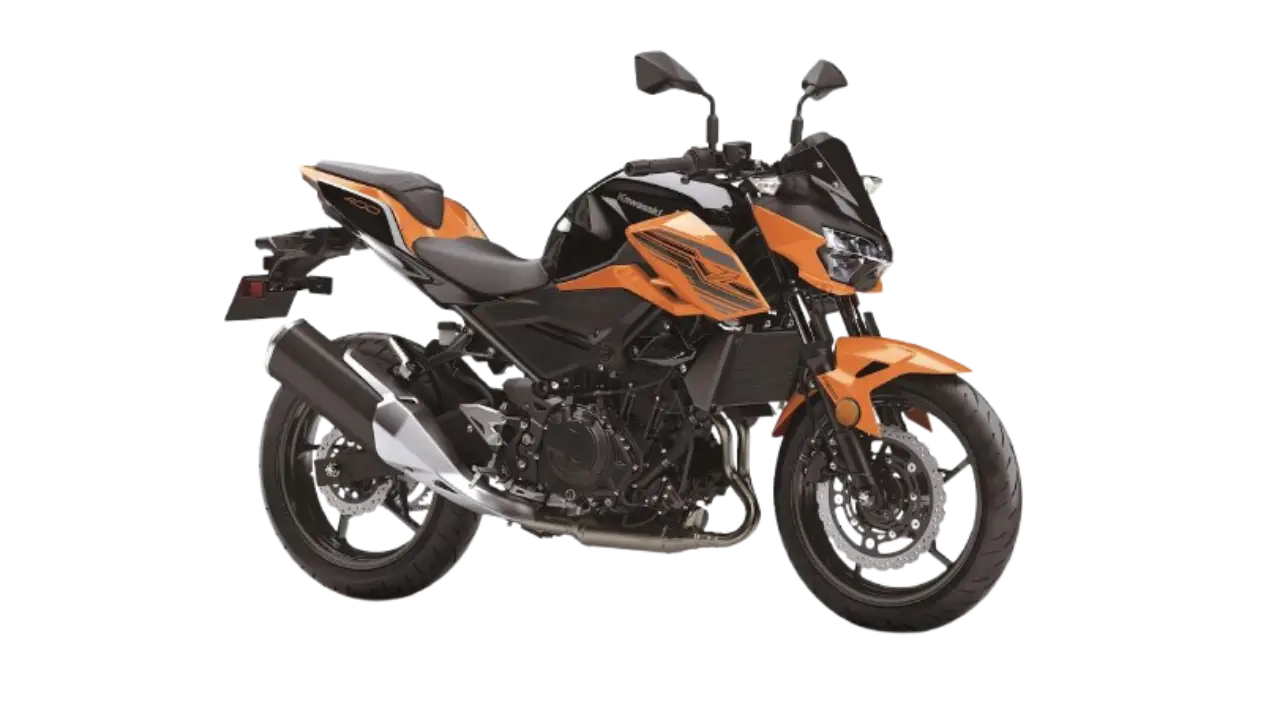
Image Credit: Kawasaki Motorcycles
Price: $5,199 Engine: 399cc parallel-twin Weight: 363 lbs Seat Height: 31.1 inches
The Z400 brings naked bike versatility to the 400cc class. With aggressive styling and nimble handling, it’s perfect for urban riding and weekend fun.
Pros
- Lightweight and maneuverable
- Upright riding position
- Strong acceleration
- Modern styling
- Affordable price point
Cons
- Wind buffeting at highway speeds
- Basic instrumentation
- Firm seat for long rides
Why It’s Great for Beginners: The Z400 offers sportbike performance in a more comfortable, upright package. Its lightweight feel builds confidence quickly.
9. Yamaha YZF-R3
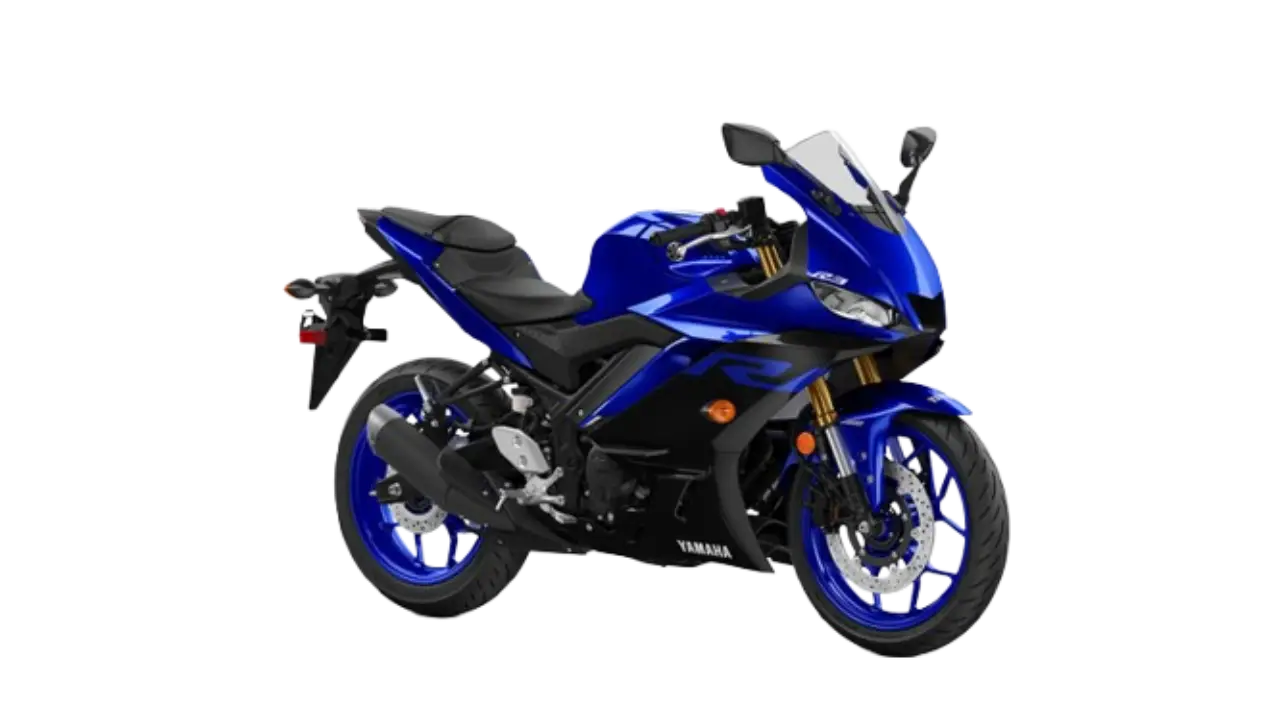
Image Credit: Yamaha Motorcycles
Price: $5,299 Engine: 321cc parallel-twin Weight: 368 lbs Seat Height: 30.7 inches
Yamaha’s entry-level sportbike delivers genuine supersport styling and performance. The R3 provides thrilling rides without intimidating power levels.
Pros
- Aggressive sportbike styling
- Sharp handling and responsive steering
- Excellent build quality
- Track-day capable
- Available in ABS
Cons
- Sporty riding position causes fatigue
- Limited low-end torque
- Small fuel tank
Why It’s Great for Beginners: The R3 offers true sportbike experience at manageable power levels. Its forgiving nature allows riders to develop skills safely.
10. BMW G 310 GS
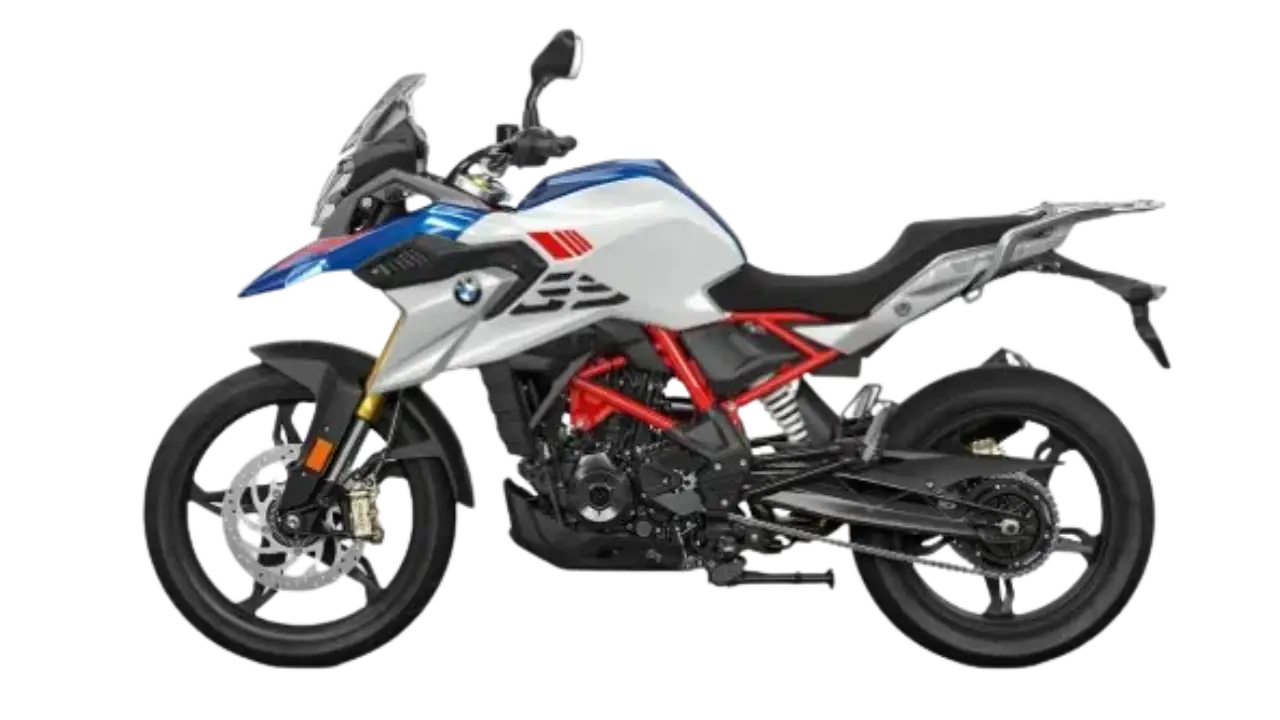
Image Credit: BMW Motorcycles
Price: $5,695 Engine: 313cc single-cylinder Weight: 374 lbs Seat Height: 32.9 inches
BMW’s entry-level adventure bike brings premium features to the beginner market. The G 310 GS offers versatility and quality construction.
Pros
- Premium BMW quality
- Versatile riding capability
- Good wind protection
- ABS standard
- Upright, comfortable position
Cons
- Higher price for displacement
- Taller seat height
- Limited power for highway passing
Why It’s Great for Beginners: The G 310 GS provides a taste of BMW adventure bike experience at an accessible price. Its comfortable ergonomics and quality construction inspire confidence.
11. Honda CB300R
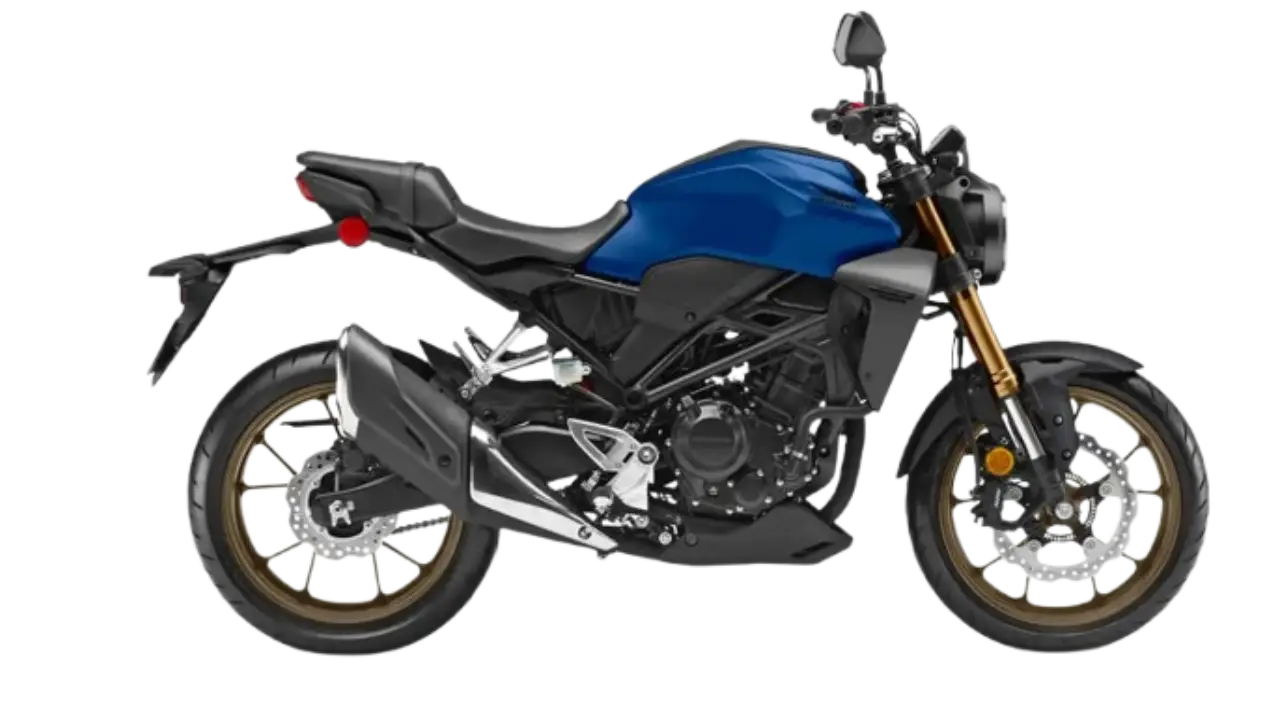
Image Credit: Honda Motorcycles
Price: $4,999 Engine: 286cc single-cylinder Weight: 313 lbs Seat Height: 30.7 inches
Honda’s neo-retro naked bike combines minimalist styling with lightweight performance. The CB300R proves less can be more.
Pros
- Exceptionally lightweight
- Modern LED lighting
- Nimble urban handling
- Attractive minimalist design
- Low maintenance requirements
Cons
- Limited highway capability
- Basic features
- Small fuel tank
Why It’s Great for Beginners: The CB300R’s light weight and simple operation make it ideal for building fundamental riding skills. Its compact size excels in city environments.
12. Suzuki DR-Z400SM
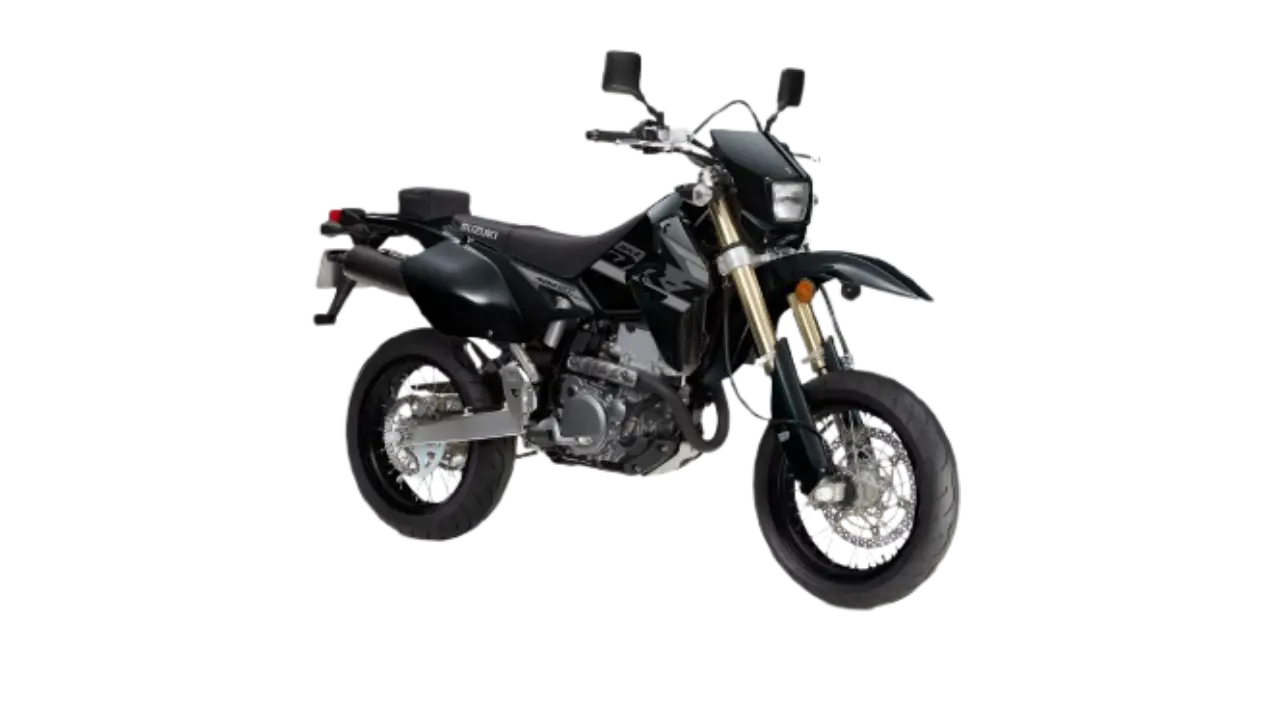
Image Credit: Suzuki Motorcycles
Price: $7,899 Engine: 398cc single-cylinder Weight: 321 lbs Seat Height: 36.8 inches
The DR-Z400SM brings dirt bike agility to street riding. This supermoto excels at urban environments and provides endless fun.
Pros
- Extremely lightweight and nimble
- Reliable Suzuki engine
- Excellent fuel economy
- Low-maintenance design
- Off-road capability
Cons
- Very tall seat height
- Limited highway comfort
- Basic features
- Single-cylinder vibration
Why It’s Great for Beginners: The DR-Z400SM teaches excellent bike control through its lightweight, flickable nature. Perfect for adventurous new riders.
13. Harley-Davidson Iron 883
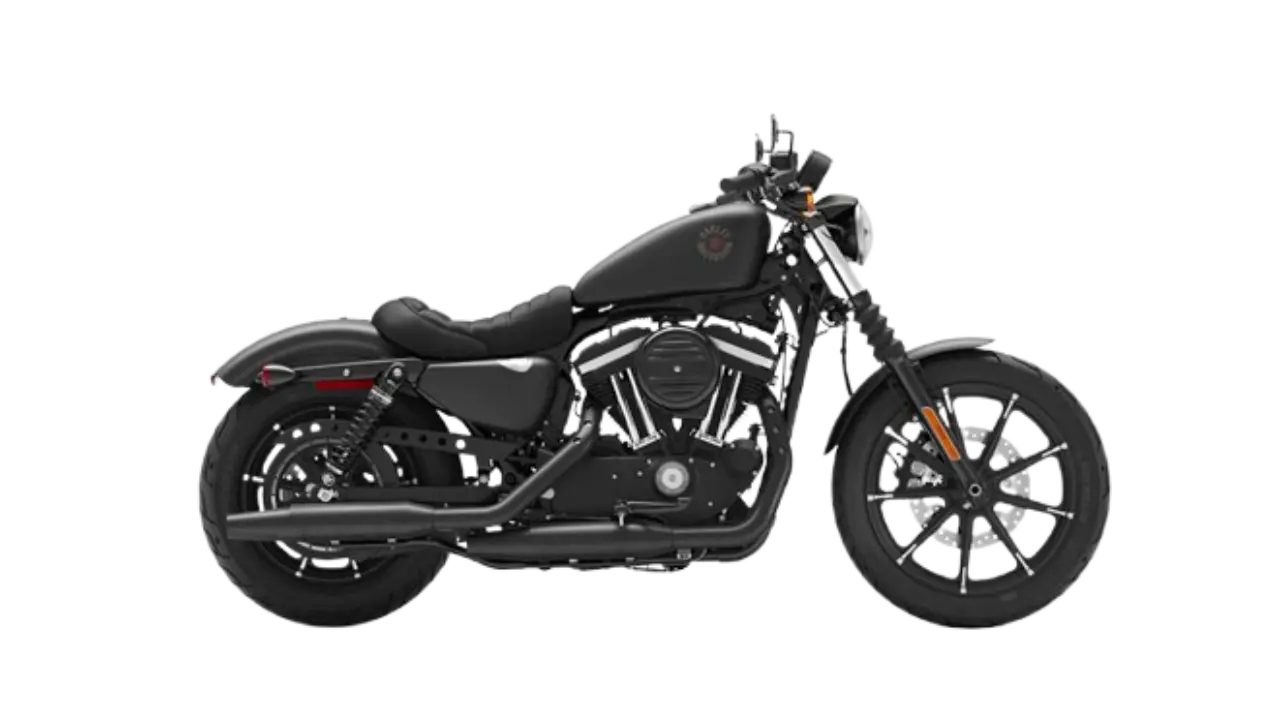
Image Credit: Harley-Davidson Motorcycles
Price: $11,249 Engine: 883cc V-twin Weight: 564 lbs Seat Height: 25.7 inches
Harley’s iconic cruiser offers classic American styling with beginner-appropriate power. The Iron 883 provides authentic Harley experience.
Pros
- Ultra-low seat height
- Classic Harley styling and sound
- Strong low-end torque
- Excellent resale value
- Iconic brand heritage
Cons
- Heavy for low-speed maneuvers
- Higher price point
- Limited lean angle
- Mid-controls may not suit all riders
Why It’s Great for Beginners: The Iron 883’s low seat height and torquey engine make it accessible despite its weight. Perfect for cruiser enthusiasts.
14. Aprilia RS 457
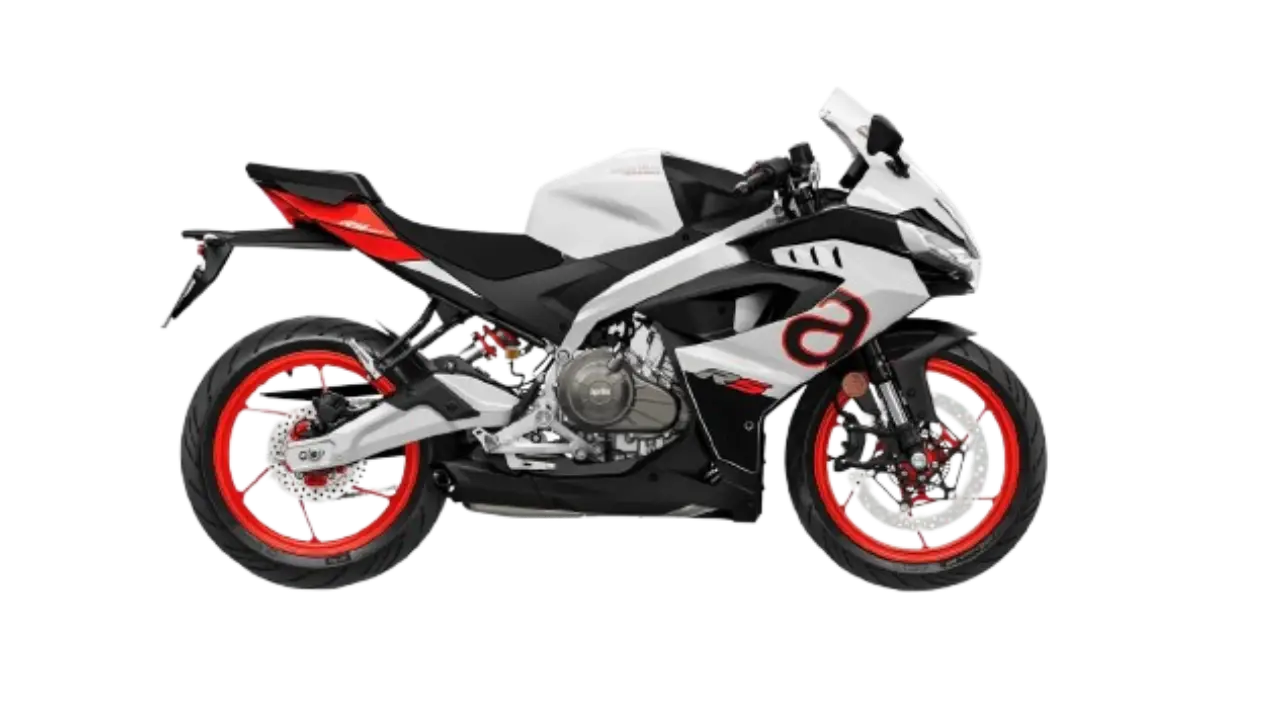
Image Credit: Aprilia Motorcycles
Price: $6,999 Engine: 457cc parallel-twin Weight: 377 lbs Seat Height: 31.9 inches
Aprilia’s newest entry brings premium Italian engineering to the beginner market. The RS 457 delivers performance and style.
Pros
- Modern electronics package
- Excellent build quality
- Strong performance
- Sharp handling
- Distinctive styling
Cons
- Higher maintenance costs
- Sportbike ergonomics
- Limited dealer network in some areas
Why It’s Great for Beginners: The RS 457 offers premium features and Italian flair at an accessible price. Its modern safety systems help new riders develop skills.
15. Royal Enfield Meteor 350
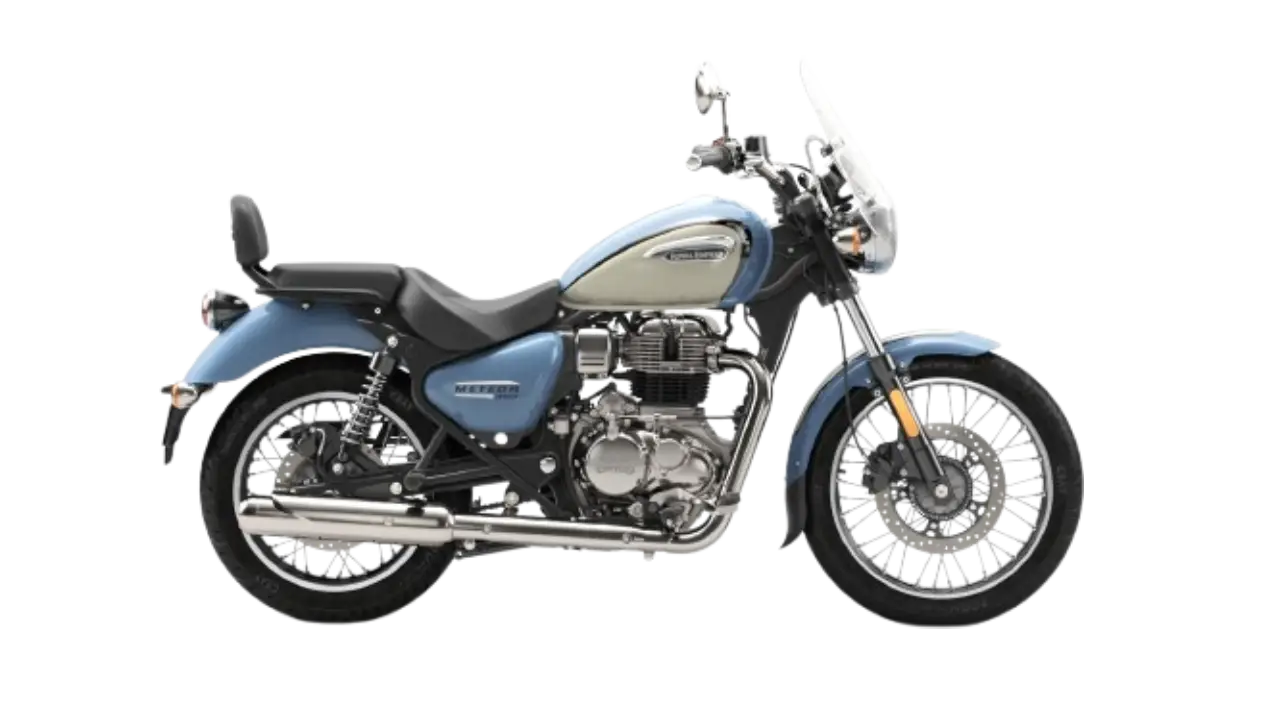
Image Credit: Royal Enfield Motorcycles
Price: $4,399 Engine: 349cc single-cylinder Weight: 421 lbs Seat Height: 30.7 inches
The Meteor 350 combines retro cruiser styling with modern reliability. This affordable cruiser perfect for relaxed riding.
Pros
- Very affordable
- Classic cruiser styling
- Comfortable riding position
- Modern electronics
- Low operating costs
Cons
- Limited power for highways
- Basic performance
- Single-cylinder vibration
Why It’s Great for Beginners: The Meteor 350 offers classic cruiser experience at an unbeatable price. Its gentle power delivery suits cautious new riders perfectly.

What Makes a Good Beginner Motorcycle?
Before diving into specific models, understanding what separates beginner-friendly bikes from the rest is crucial. The best motorcycles for beginners share several key characteristics that make learning to ride safer and more enjoyable.
Essential Features for New Riders
- Manageable Weight (Under 450 lbs) Lightweight motorcycles are easier to balance at stops, maneuver in parking lots, and pick up if dropped. Heavy bikes can quickly become overwhelming for new riders still developing their skills.
- Low Seat Height (Under 32 inches) Being able to plant both feet firmly on the ground when stopped boosts confidence dramatically. A low seat height provides better balance and control, especially crucial when learning slow-speed maneuvers.
- Appropriate Engine Size (250cc-500cc) Most experts recommend starting with bikes between 300cc and 500cc. This range provides enough power for highway riding while remaining forgiving and manageable for developing skills.
- Smooth Power Delivery Bikes with predictable, linear power delivery help new riders avoid surprises. Sudden power surges can lead to loss of control, so smooth throttle response is essential for building confidence.
- Modern Safety Features Anti-lock Braking System (ABS) prevents wheel lockup during panic stops, while traction control helps maintain stability. These features can be lifesavers for inexperienced riders still learning proper braking and throttle control.
- Comfortable Riding Position An upright, neutral riding position reduces fatigue and provides better visibility. Aggressive sportbike positions can be uncomfortable and tiring for new riders learning the basics.
- Affordable Purchase Price and Insurance Starting with a less expensive bike makes financial sense. You can gain experience without worry about minor drops or scratches, and insurance costs remain manageable.
How to Choose Your First Motorcycle
Selecting the right beginner motorcycle involves considering several personal factors beyond just specs and reviews.
Consider Your Physical Size
Your height and weight significantly impact which motorcycles will feel comfortable. Shorter riders should prioritize bikes with seat heights under 30 inches, while taller riders may prefer bikes offering more legroom. Being able to touch the ground confidently makes a huge difference in early riding confidence.
Define Your Riding Purpose
Think about how you’ll primarily use your motorcycle. Daily commuters should prioritize comfort and fuel economy. Weekend warriors might want something sportier. Those planning longer trips need comfortable ergonomics and adequate power for highway cruising. Adventure seekers should consider dual-sport or adventure bikes.
Set a Realistic Budget
Remember that the purchase price is just the beginning. Factor in insurance costs (often higher for sportbikes), safety gear ($500-1,000 minimum), registration fees, and maintenance. Many experts recommend spending no more than $7,000 total as a beginner, including essential gear.
Get Your Free Motorcycle Shipping Cost Estimate and Save Big Today!
Save on Motorcycle Shipping →Essential Safety Gear for Beginners
Proper gear is non-negotiable for motorcycle safety. Budget at least $500-1,000 for quality protection.
Helmet
A DOT-approved full-face helmet offers maximum protection. Expect to spend $150-500 for quality options from brands like Shoei, Arai, or HJC.
Jacket
Motorcycle-specific jackets with armor at shoulders, elbows, and back provide crucial protection. Leather or textile options range from $150-400.
Gloves
Quality gloves protect hands in crashes and improve grip. Spend $50-150 for well-constructed options with knuckle and palm protection.
Boots
Motorcycle boots protect ankles and feet. Over-the-ankle coverage is minimum; spending $100-250 ensures adequate protection.
Pants
Riding pants with knee and hip armor protect lower body. Quality options range from $100-300. Many beginners start with reinforced jeans as a minimum.
Maintenance Basics for New Riders
Understanding basic motorcycle maintenance helps keep your bike running safely and builds mechanical confidence.
Regular Checks
- Tire pressure weekly (critical for safety and handling)
- Chain tension and lubrication every 300-500 miles
- Oil level before each ride
- Brake pad thickness monthly
- Lights and signals regularly
Scheduled Maintenance
Follow your owner’s manual for scheduled service intervals, typically:
- Oil changes: Every 3,000-4,000 miles
- Air filter: Every 6,000-12,000 miles
- Brake fluid: Every 2 years
- Coolant: Every 2 years
- Valve adjustment: Check manufacturer specs
Most beginners can handle basic maintenance, but don’t hesitate to use professional mechanics for complex work.
Common Beginner Mistakes to Avoid
Learning from others’ mistakes helps you progress faster and stay safer.
Buying Too Much Bike
Many new riders purchase powerful motorcycles before developing necessary skills. Start with appropriate beginner bikes and upgrade as skills improve. Pride heals faster than injuries.
Skipping Safety Gear
“Just running to the store” without gear is how many accidents happen. Always wear all protective equipment, every ride.
Neglecting Practice
Parking lot practice seems boring but builds crucial low-speed skills. Spend time practicing U-turns, emergency stops, and slow maneuvers.
Riding Beyond Skill Level
Group rides with experienced riders often push beginners beyond comfortable limits. Ride your own pace and don’t feel pressured to keep up.
Ignoring Maintenance
Regular maintenance prevents breakdowns and dangerous situations. Follow the schedule in your owner’s manual religiously.
Final Thoughts
Choosing your first motorcycle is an exciting milestone that sets the foundation for years of riding enjoyment. The best beginner motorcycle balances manageable power, comfortable ergonomics, and modern safety features at a reasonable price. Whether you choose the versatile Honda Rebel 500, sporty Kawasaki Ninja 400, or adventure-ready Royal Enfield Himalayan, the most important factors are finding a bike that fits your size, matches your intended use, and builds your confidence.
Remember that your first bike likely won’t be your last. Start with something manageable, develop your skills through practice and training, and upgrade as your abilities and desires evolve. Most importantly, invest in quality safety gear, take a motorcycle safety course, and always ride within your skill level.
The motorcycling community welcomes you. Ride safe, ride often, and enjoy the freedom that only two wheels can provide.
Frequently Asked Questions
What’s the best beginner motorcycle for 2026?
Is 400cc too much for a beginner?
Should beginners buy new or used motorcycles?
How much should I spend on my first motorcycle?
Do I need ABS on a beginner motorcycle?
Can short riders find good beginner motorcycles?
What engine size is best for highway riding?
How long until I should upgrade from a beginner bike?
Are cruisers or sportbikes better for beginners?
What’s the most important safety feature for beginners?

a4AutoTransport is a group of auto transport researchers and experts that comes in handy for anyone who wants to move their car/vehicle without putting extra miles on the odometer. At a4AutoTransport, We researched over a hundred car shipping companies, interviewed real customers and industry leaders, and collected nearly 500 quotes to find the nation’s best auto transport companies. With our combined 5 years of industry experience and research, we’ll help you find the right car shipper for your budget.